
Miami's Wood-Frame Houses: One Side of the River Preserved, One Being Demolished
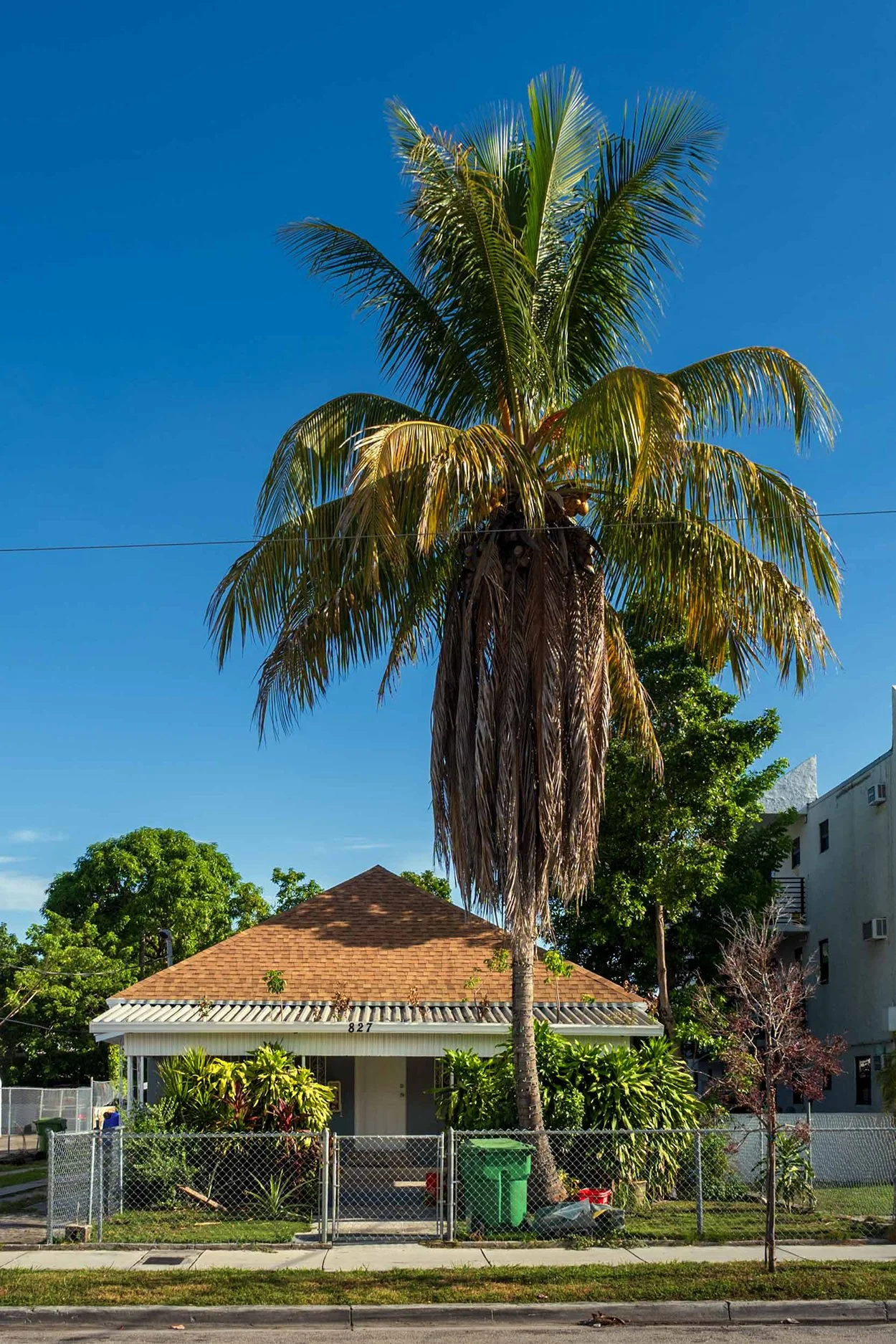
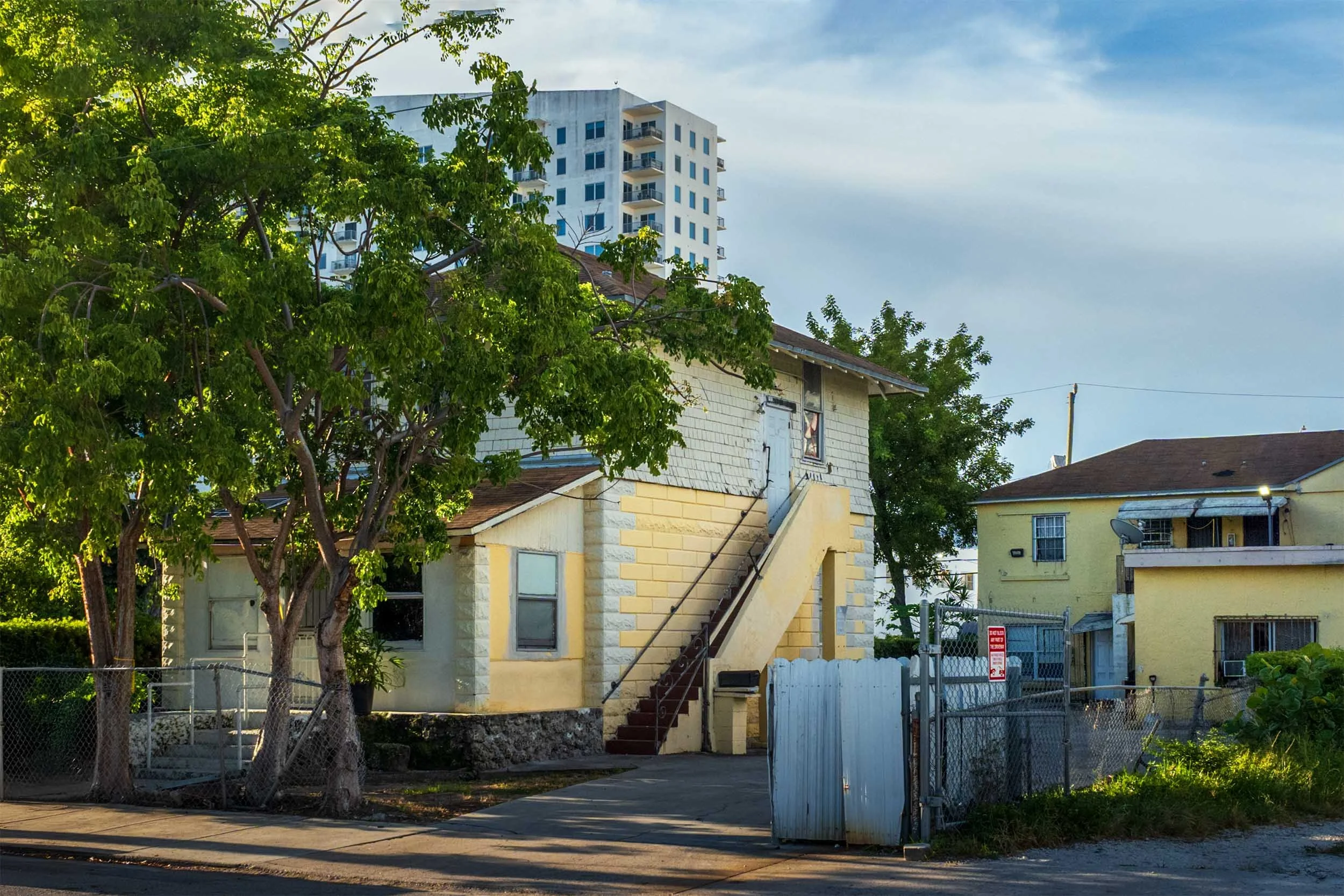
There's a small pocket of Miami wedged between the river and Flagler Street, running from NW South River Drive to NW 7th Avenue. The Little Havana trolley passes right through it. I'd ridden through plenty of times before I actually noticed the wooden houses tucked in there, houses unlike anything else I'd seen around Miami.
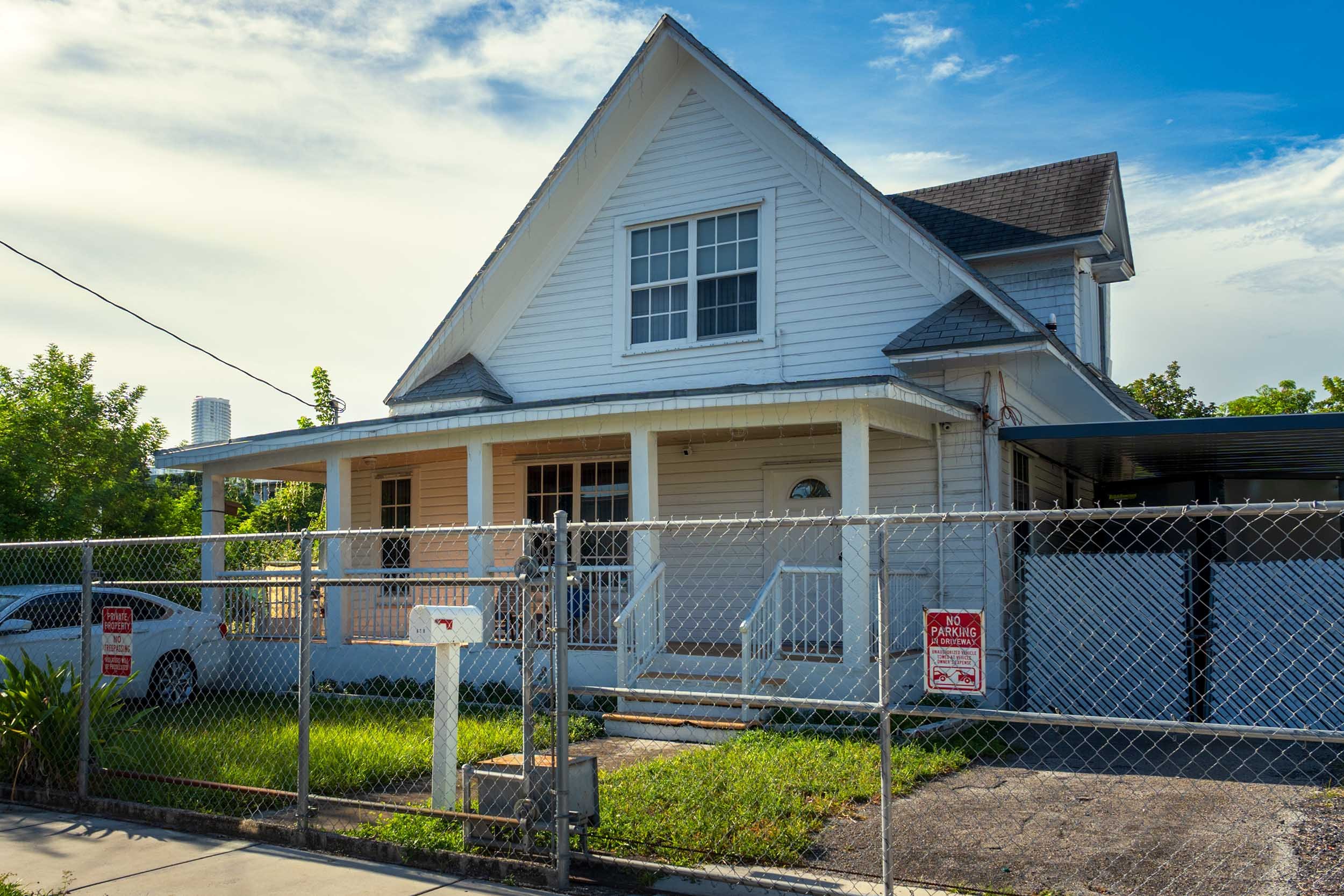
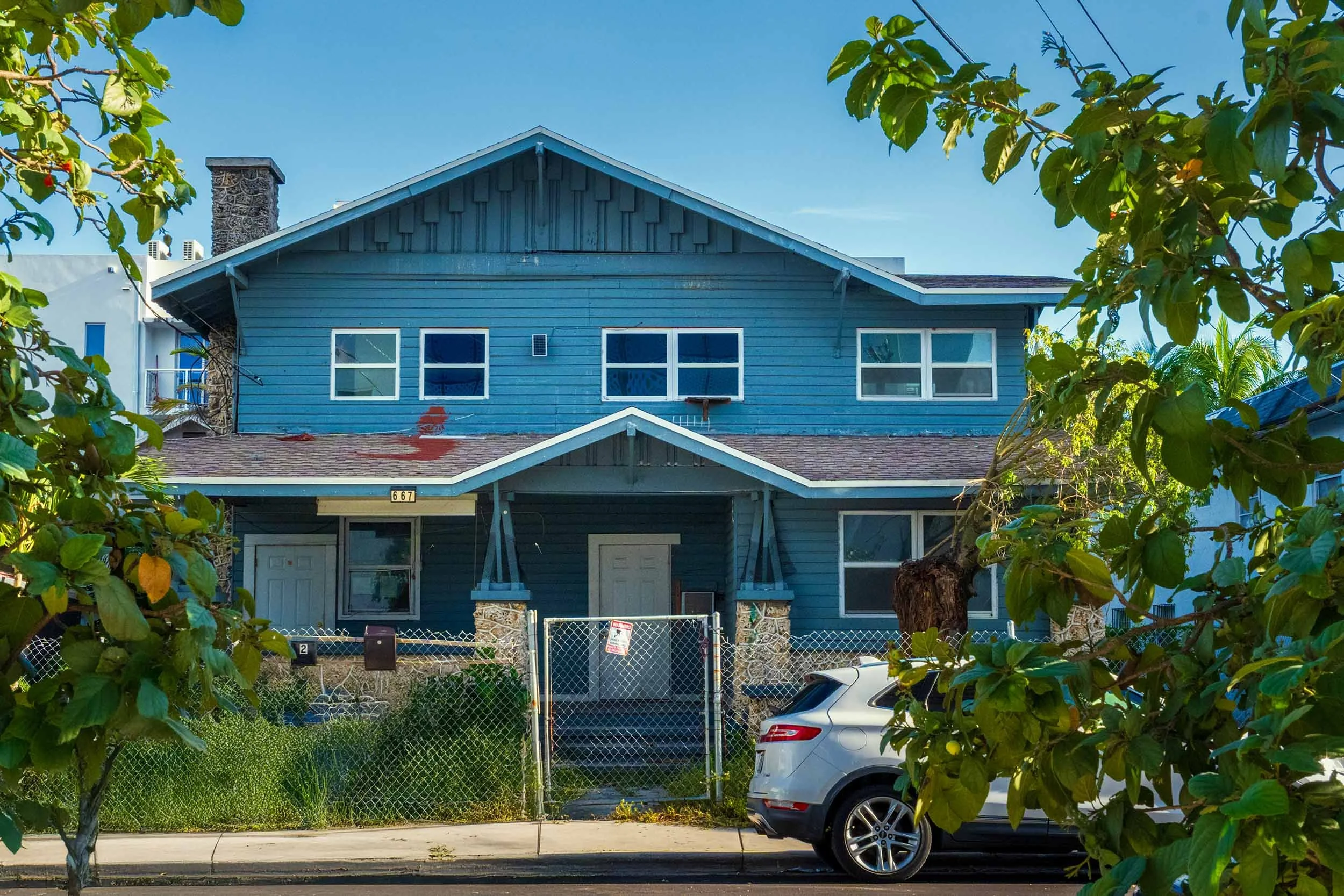
They line NW 1st, NW 2nd, and NW 6th Streets: wood frame, low rooflines, most of them dating back to the 1920s. A large lot right at the corner of West Flagler, is fenced off having already been cleared. Walking through the neighborhood, you will find more empty lots where houses used to be.
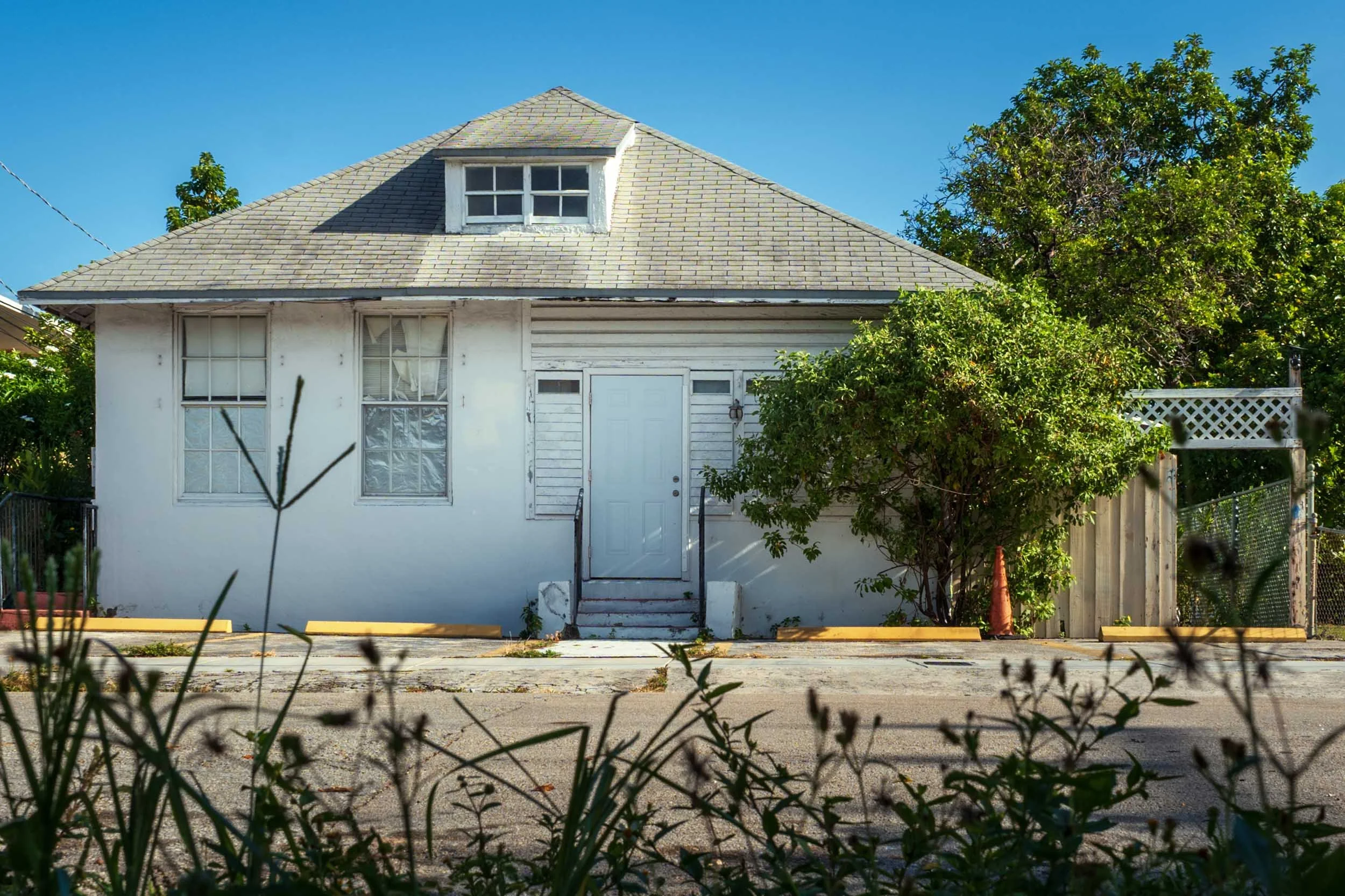
Same Houses, No Protection
Mention Lummus Park in Miami and most people think of the one located in Miami Beach, palm trees, volleyball nets, South Beach crowds. This is a different Lummus Park entirely, a historic district that sits on the Miami River in downtown Miami. The houses there match what I captured for this blog post. Same period, same Frame Vernacular style that went up during the 1920s land boom, but two different sides of the river. However, there is one huge difference. Lummus Park picked up historic designation back in 2006. This side of the river did not and now history is being erased.
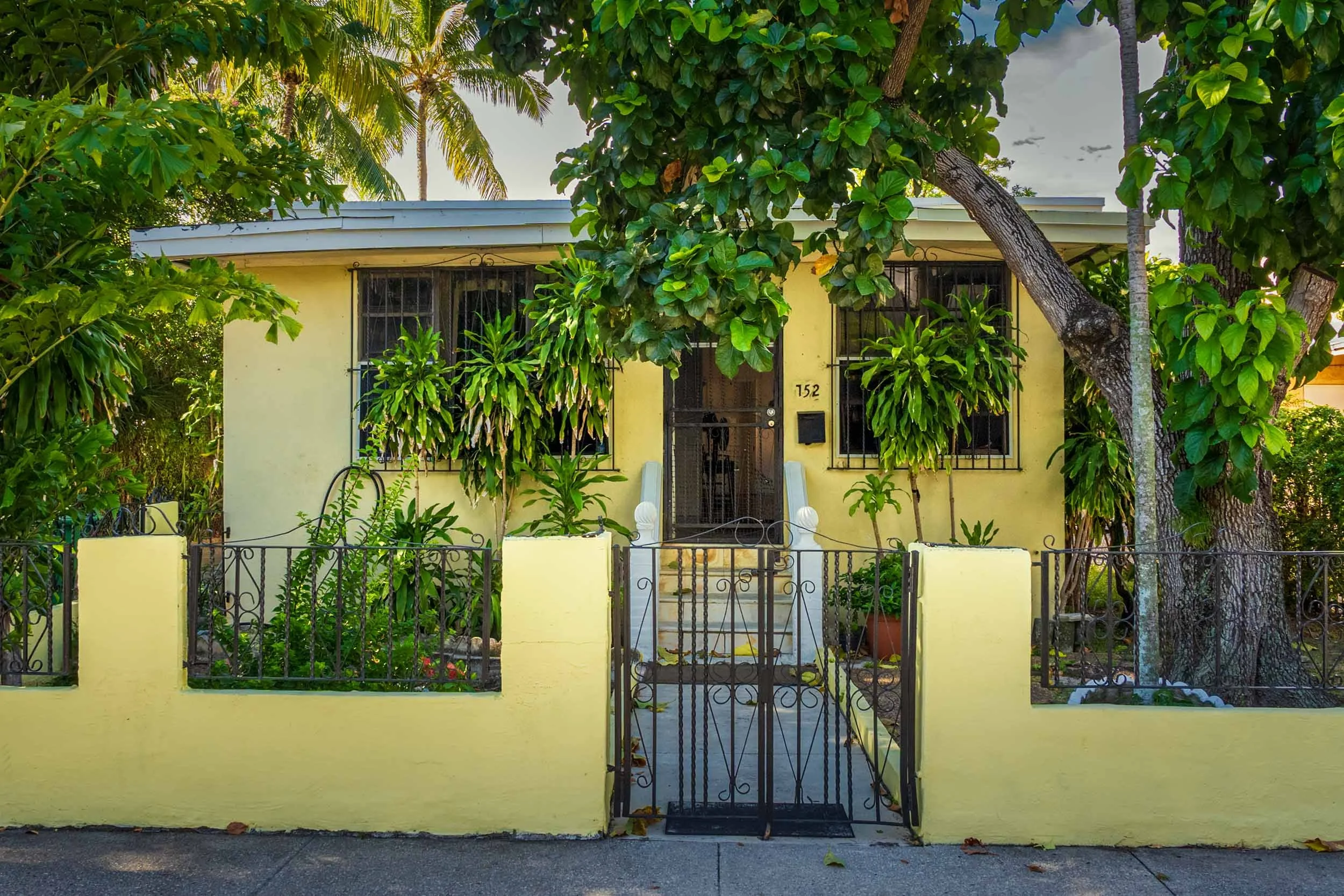
What's Already Being Cleared
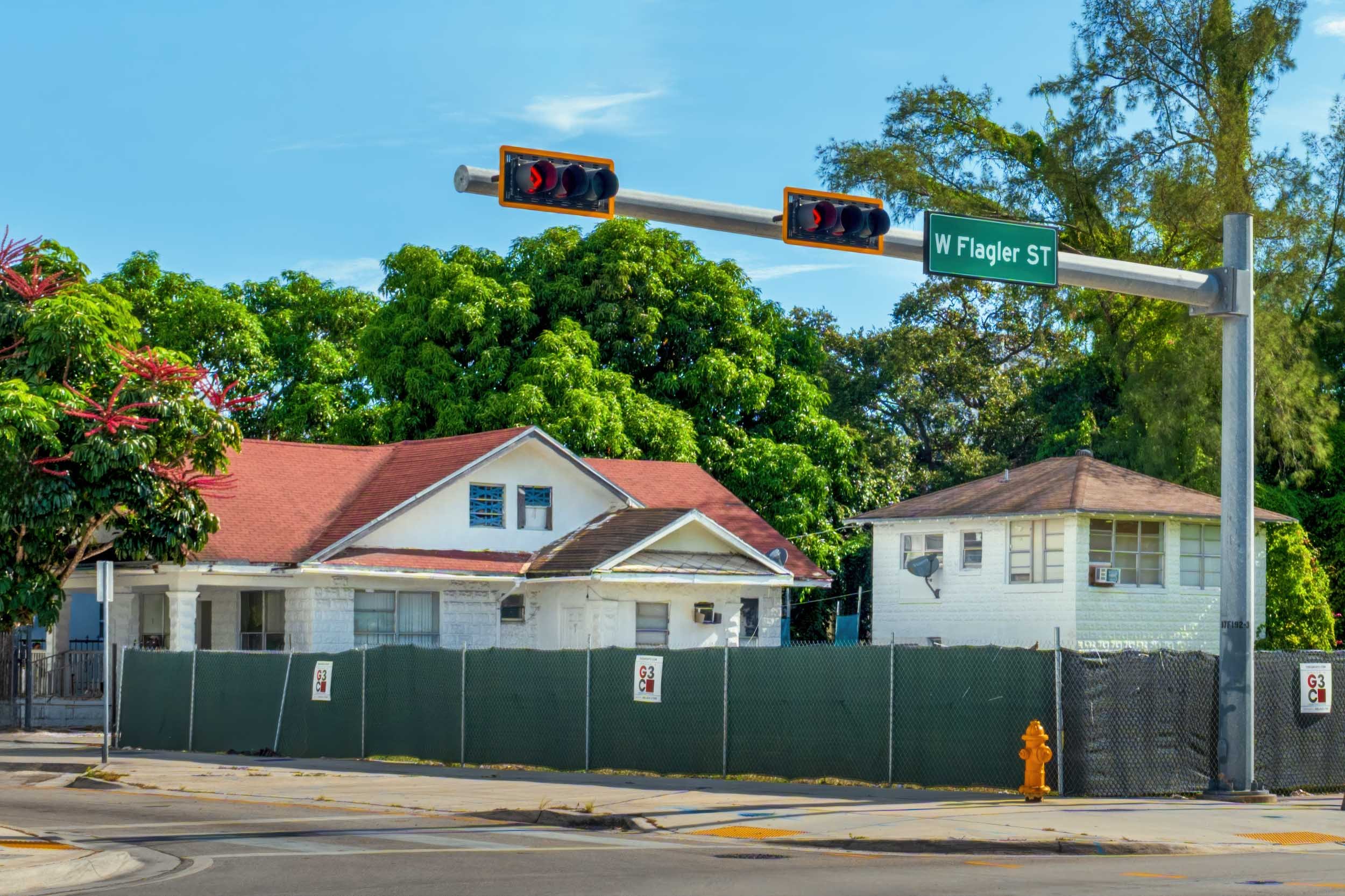
At the corner of West Flagler, two houses now sit behind green construction fencing, a demolition contractor's placards zip-tied along it every few feet. One has a red barrel-tile roof, the other a plain hip roof that was probably tacked on later. Neither one has much time left.
The Ones Still Standing, Barely Visible
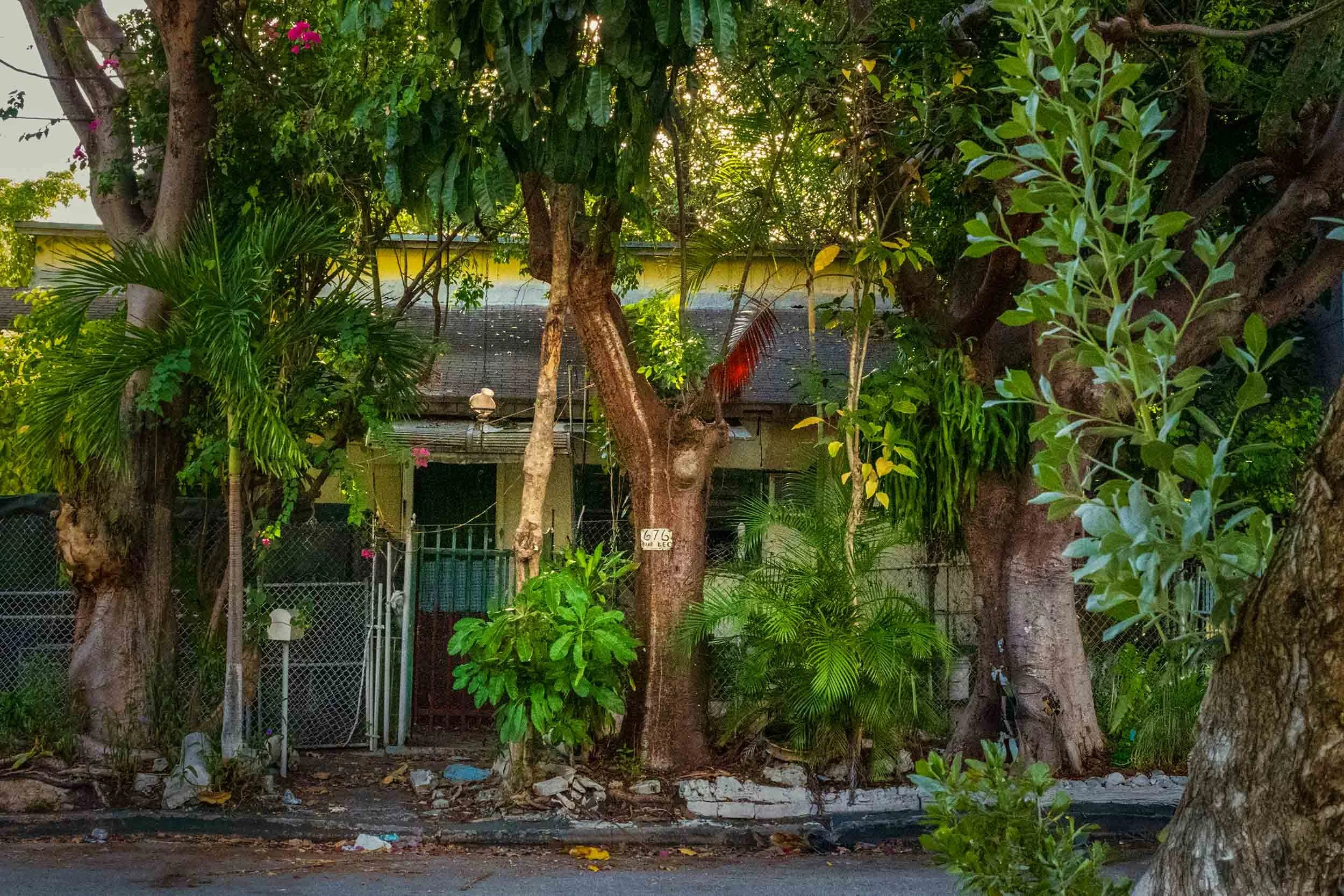
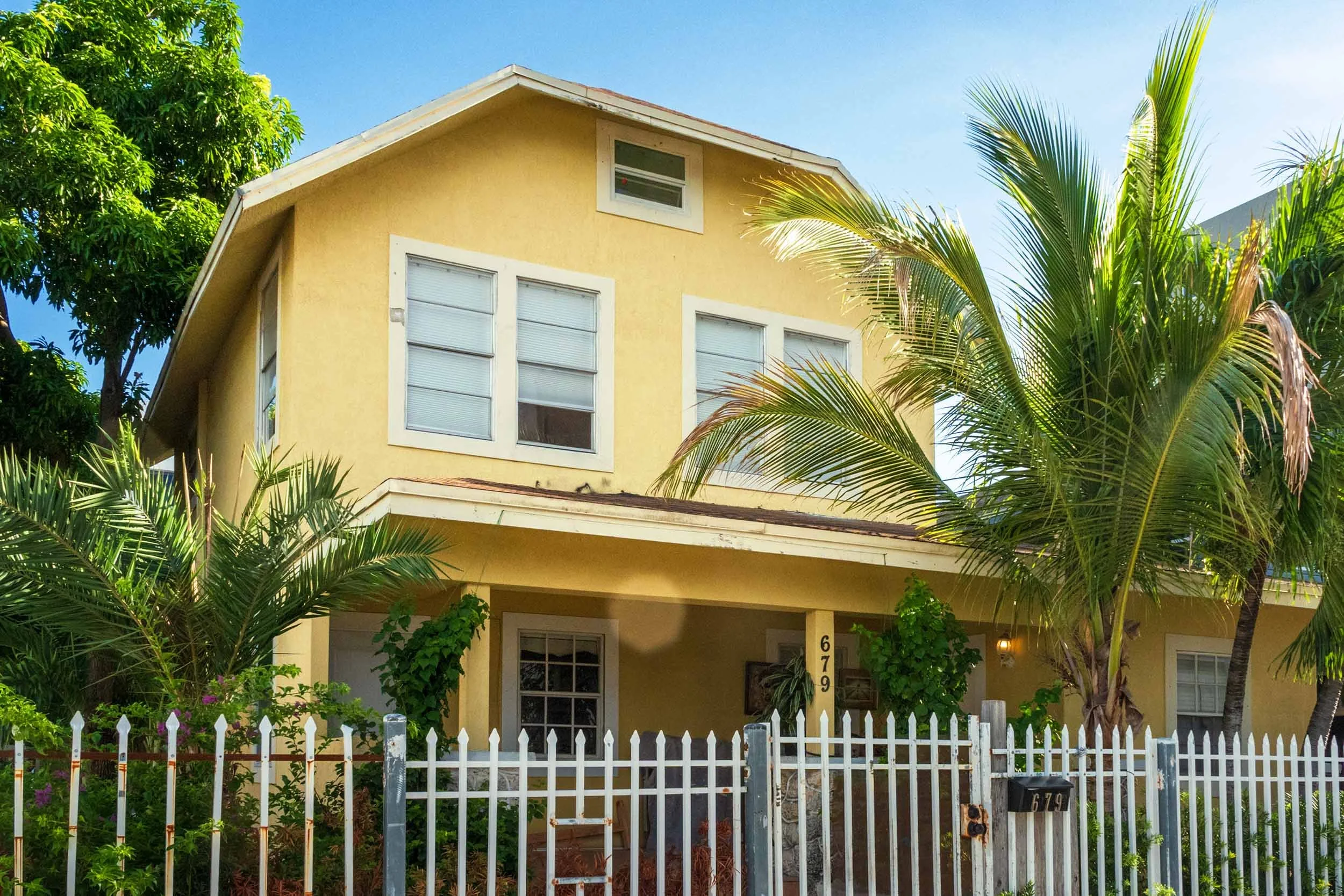
A lot of of what remains on these blocks hasn't been torn down yet, but it's just being swallowed by its own landscaping. Palms, ficus, bougainvillea, years of growth nobody's bothered to cut back. Some houses are almost impossible to make out from the street.
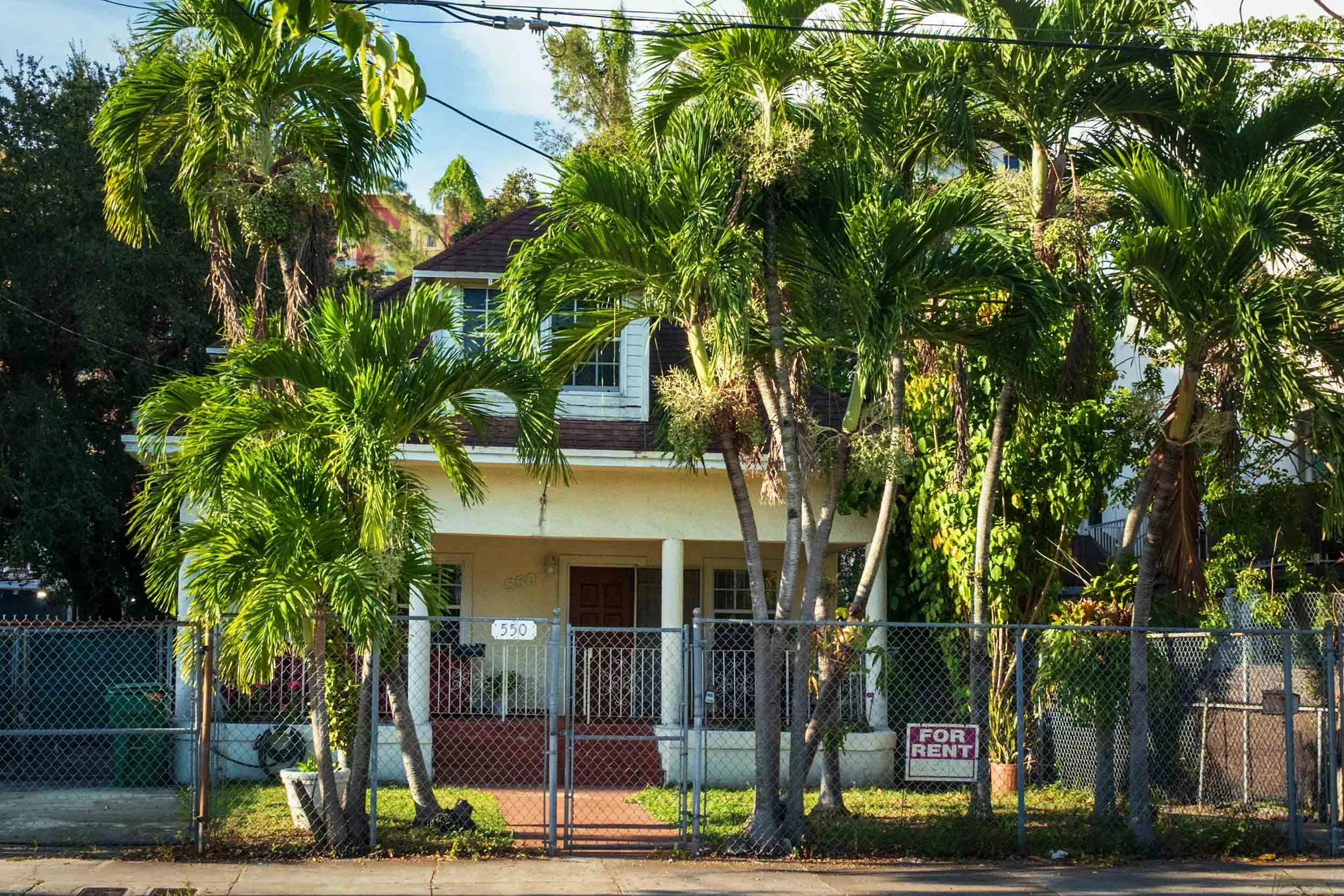
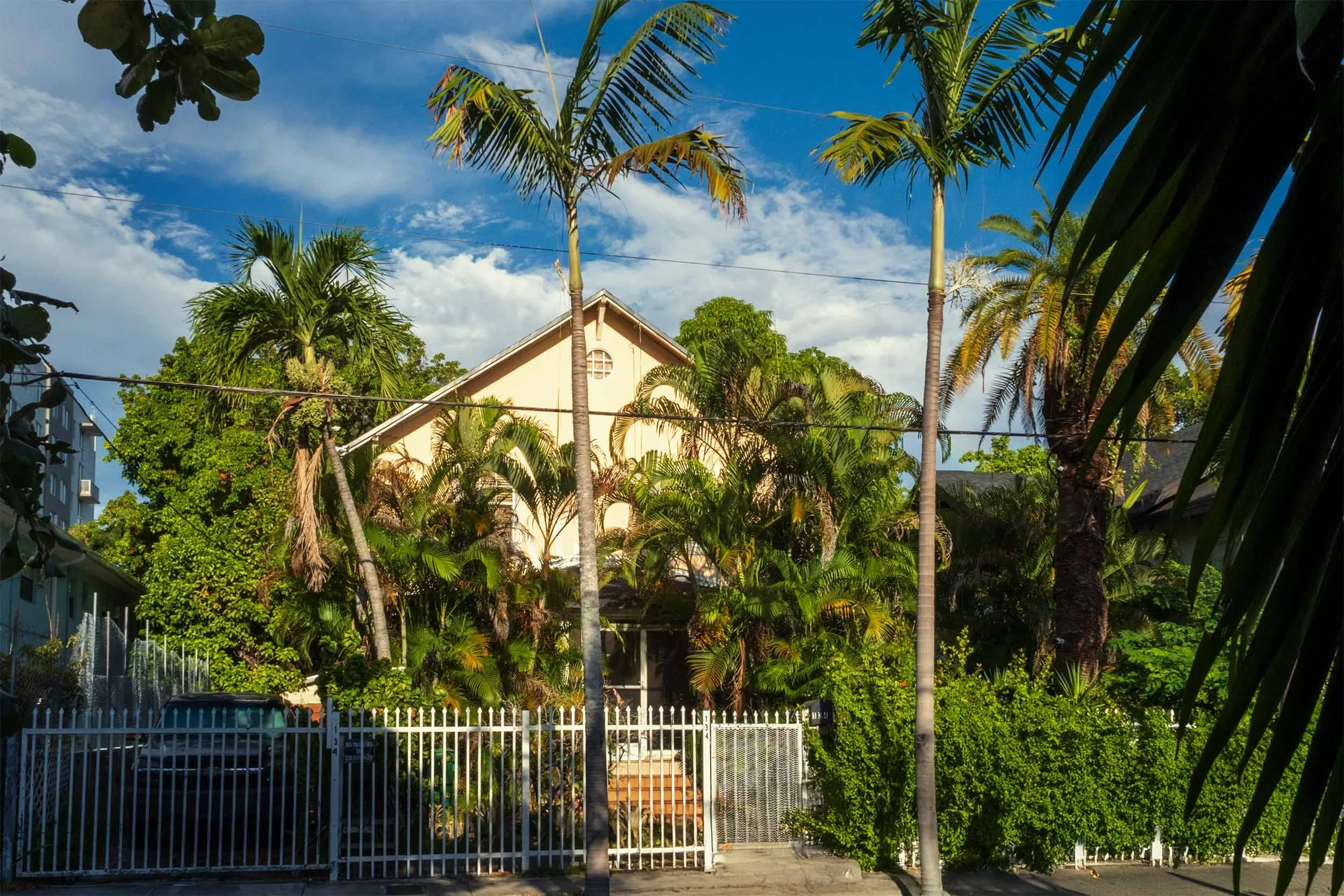
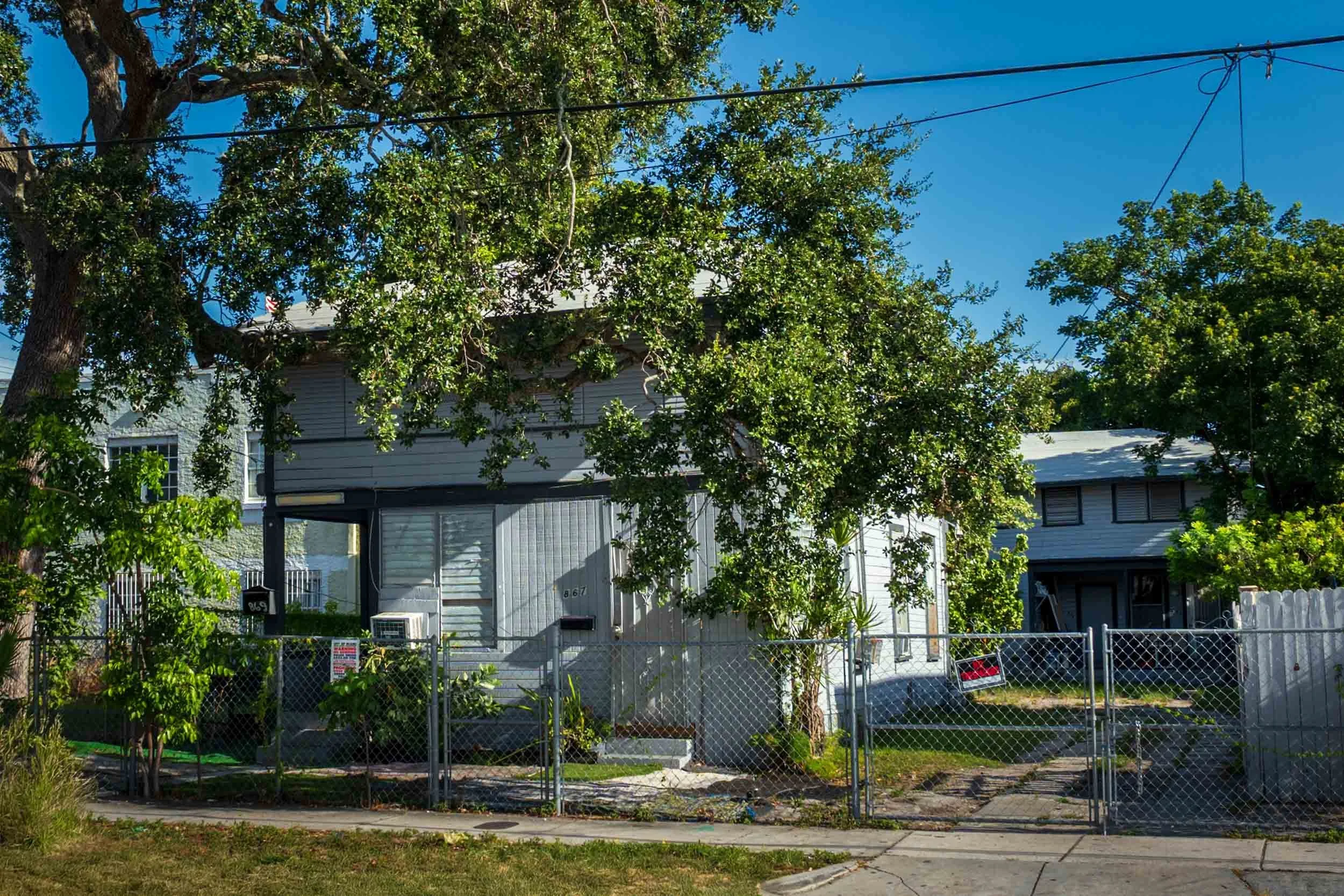
The house has a FOR RENT sign zip-tied to its fence, half-hidden behind a queen palm. That's the general pattern here: nothing's condemned, the houses just quietly rotate through tenants while no one puts any money into them.
New Money, Old Frame
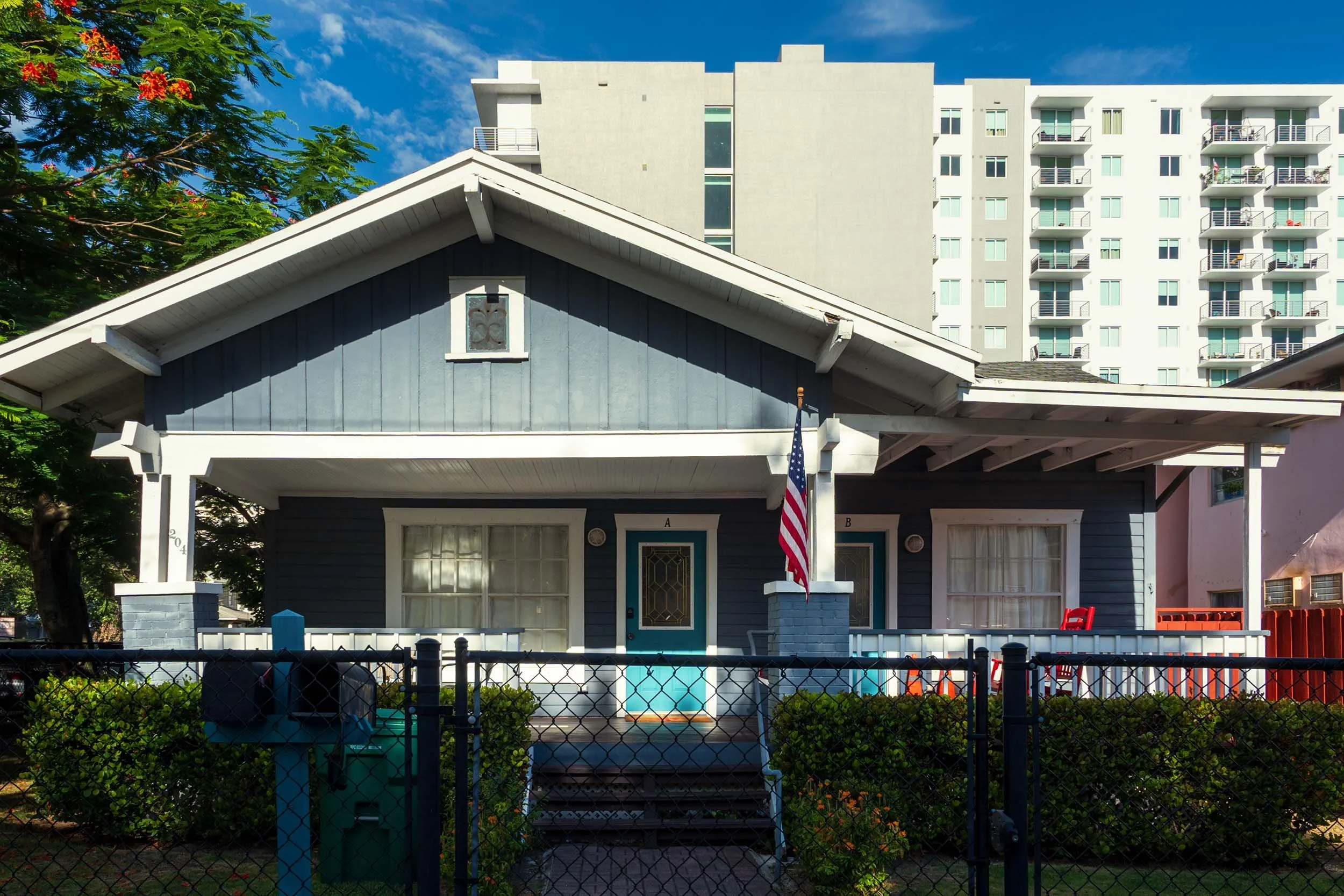
A few blocks hold both eras at once. An old bungalow roofline, a new high-rise balcony stacked right behind it. It's the same pattern you'll find in many other neighborhoods in Miami. Older housing sitting one block from new construction that's pricing the neighborhood out from under it.
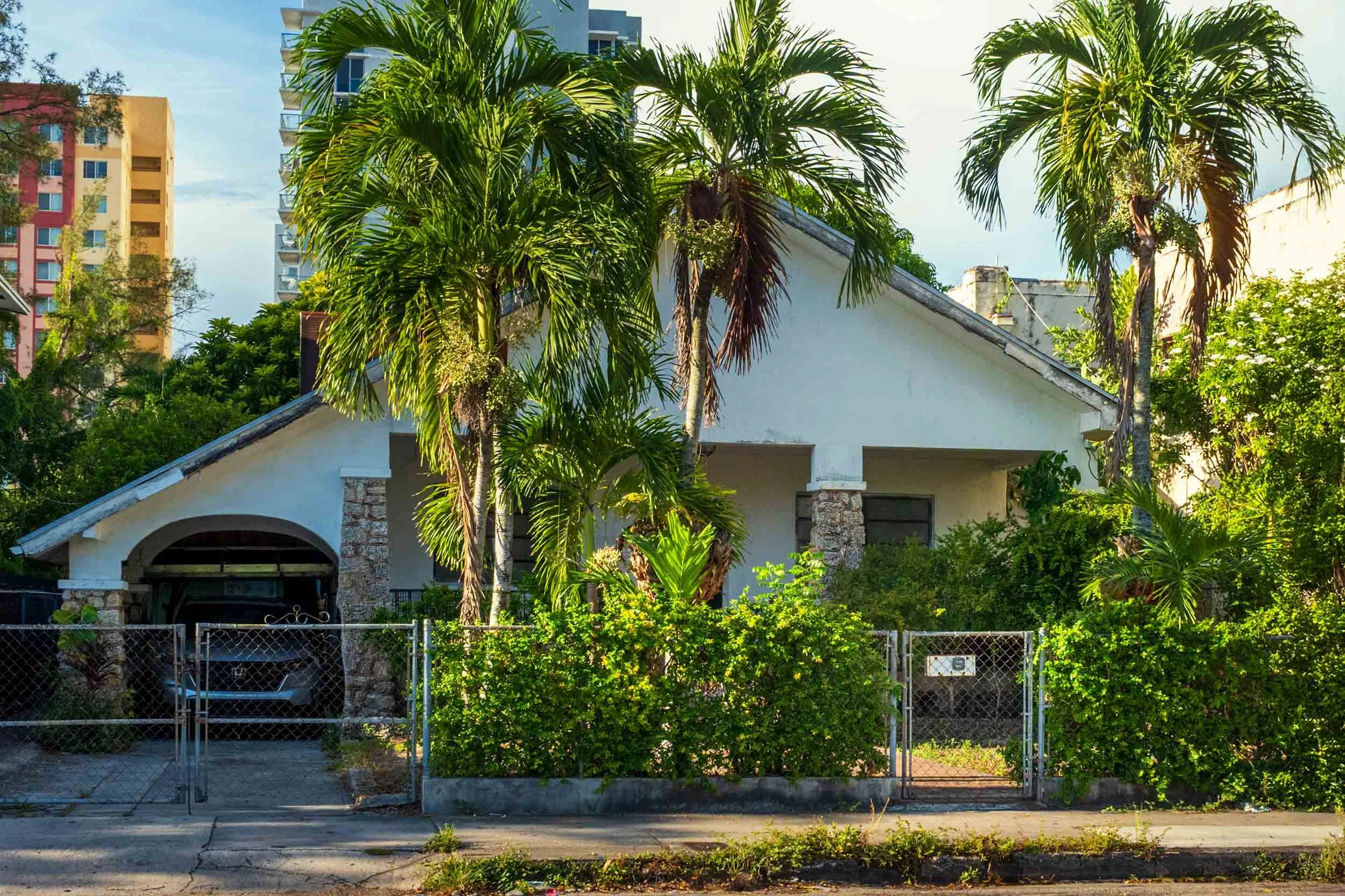
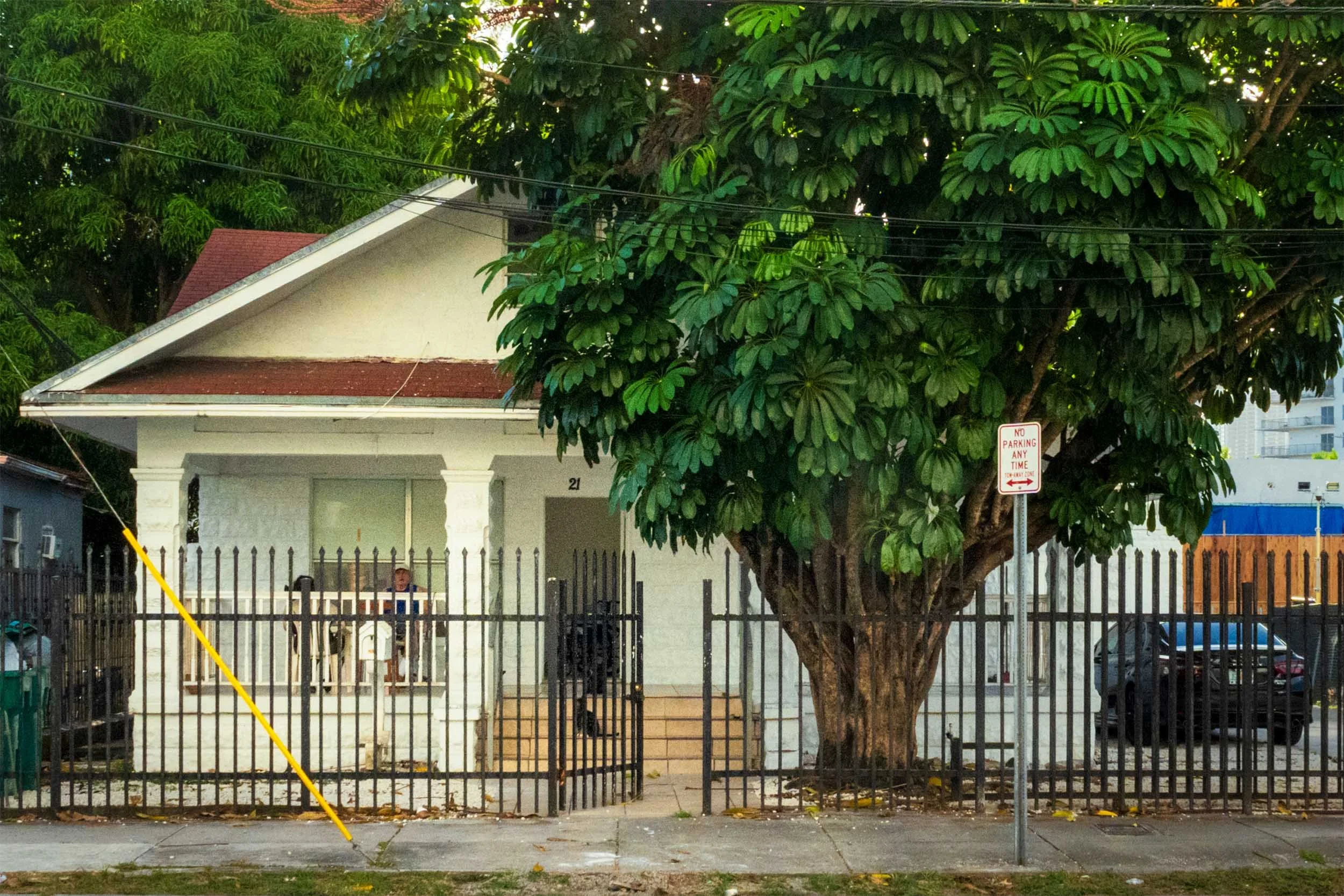
An older man was sitting on his porch under a schefflera tree big enough to shade his entire yard. This isn't some abandoned corner of the city. People still live here, in houses that might not be standing in five years
Behind the Fences
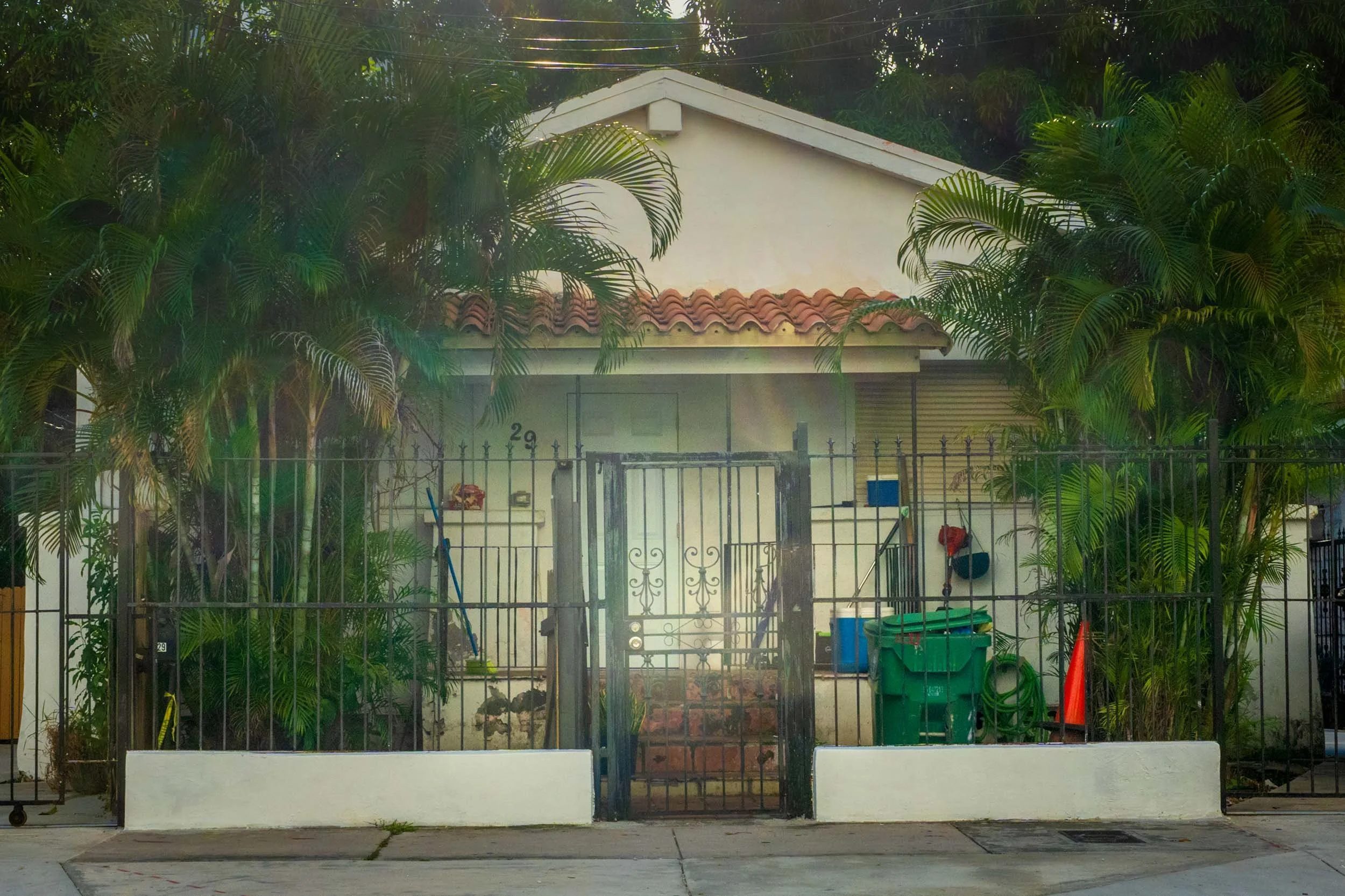
Almost every house on this stretch has a fence around it, chain-link, iron, wood picket, sometimes all three on one block. Some went up for security, some just to mark a property line before a sale. At this point the fences feel as much a part of the neighborhood as the houses do, and they'll go the same way once a lot gets cleared for construction.
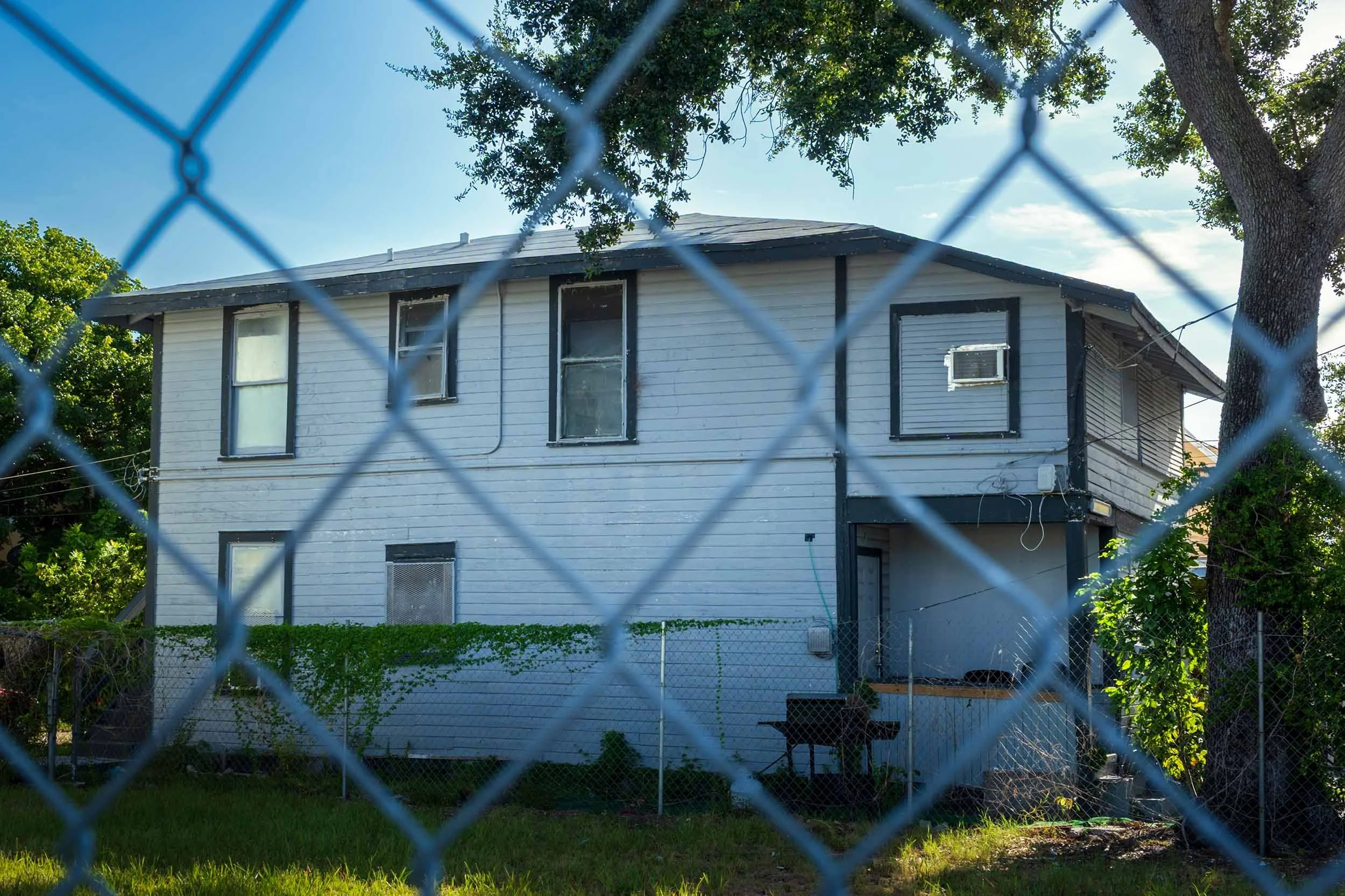
If you are interested in architecture or the history of Miami, it is worth the time to walk through sooner rather than later. The neighborhood is changing quickly and many of these houses won’t survive for much longer.
See Buena Vista another Miami neighborhood that is quickly changing.
A walk through Miami’s Lummus Park Historic District