
Lummus Park Historic District, Miami
Overview
The Lummus Park Historic District sits along the north bank of the Miami River, just northwest of downtown. People sometimes confuse it with the beachfront Lummus Park in South Beach, but they're not related. This one is on the mainland, built around a small municipal park, and it was added to the National Register of Historic Places on October 25, 2006. It's also locally designated by the City of Miami.
I-95 runs along the district's eastern edge, which cuts it off pretty firmly from the rest of downtown. Roughly, the boundaries are NW 4th/5th Street to the north, NW 2nd Street/Flagler Street to the south, NW 3rd Avenue and I-95 to the east, and the Miami River to the west.
Origins and Historical Development
The neighborhood takes its name from the park at its center, which opened in 1909 as one of the city's first public green spaces (it was originally called City Park). It was later renamed for the Lummus brothers, J.E. and J.N., two prominent early Miami figures. J.N. Lummus also helped found Miami Beach.
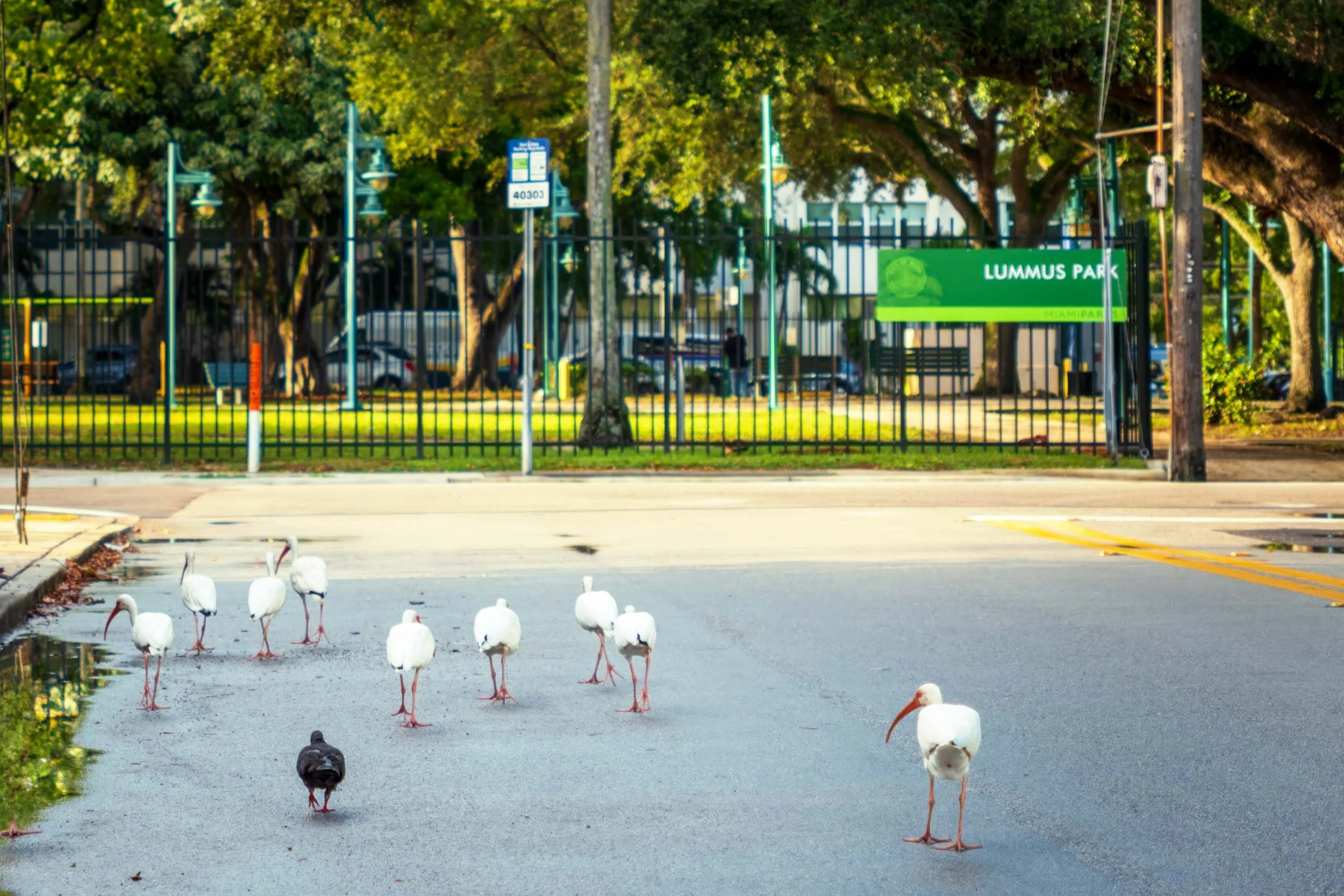
Once the park was in place, houses and small apartment buildings filled in around it. Most of what remains today was built before 1926, during Miami's boom years in the 1910s and 1920s. Back then it was a working- and middle-class neighborhood on the edge of a young city, and it has held on to a cluster of small early-1900s buildings that have mostly disappeared from the rest of downtown Miami.
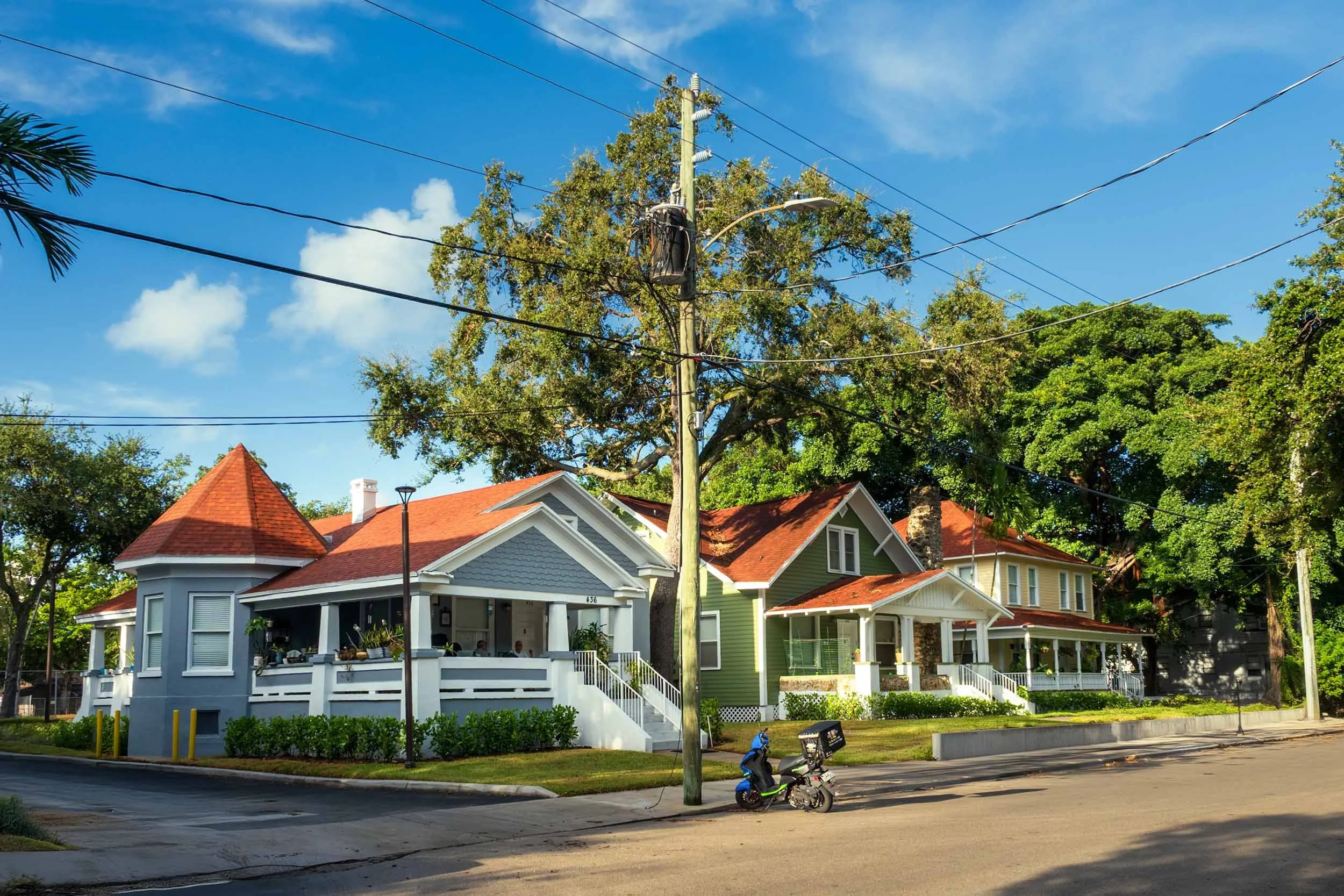
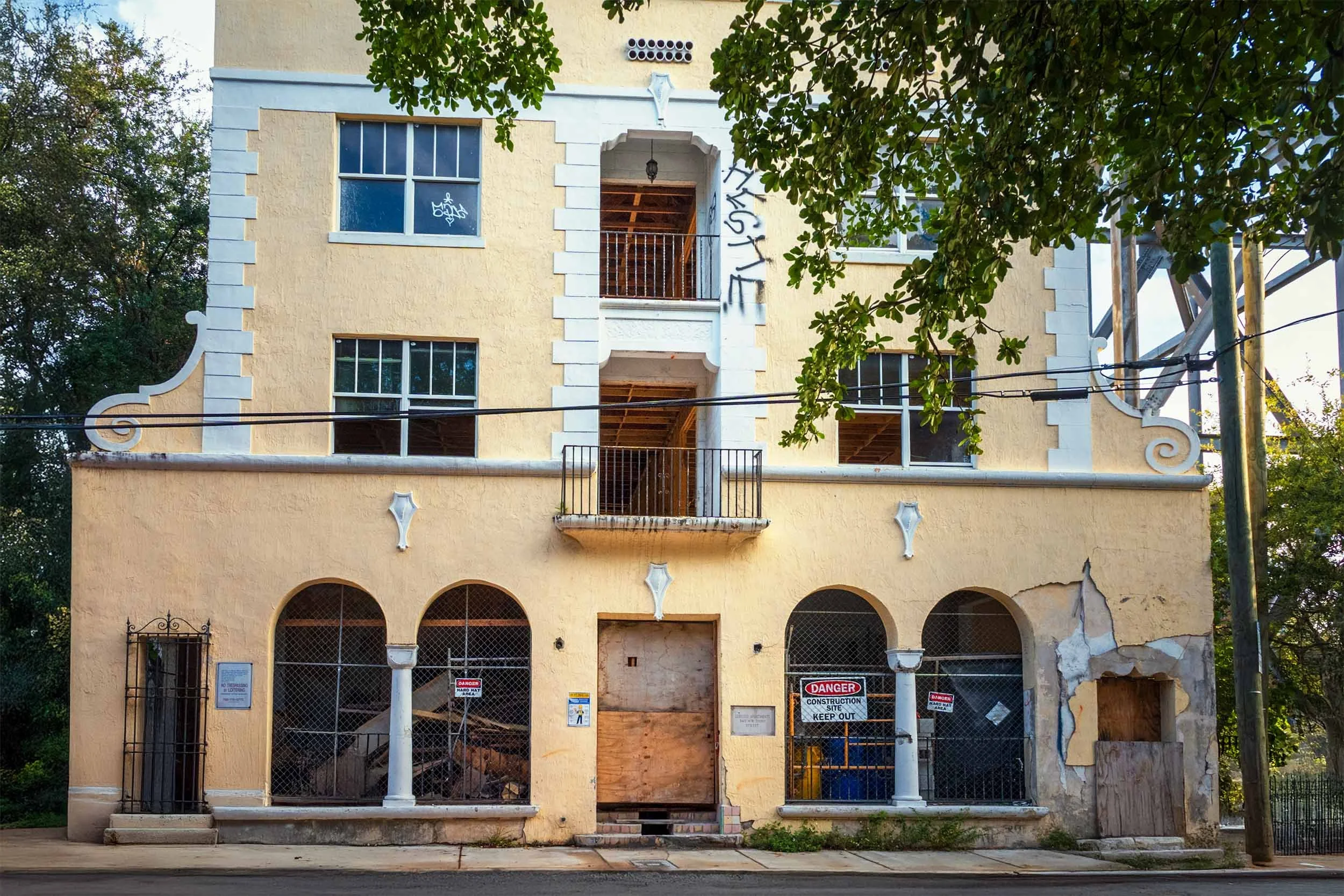
Architecture
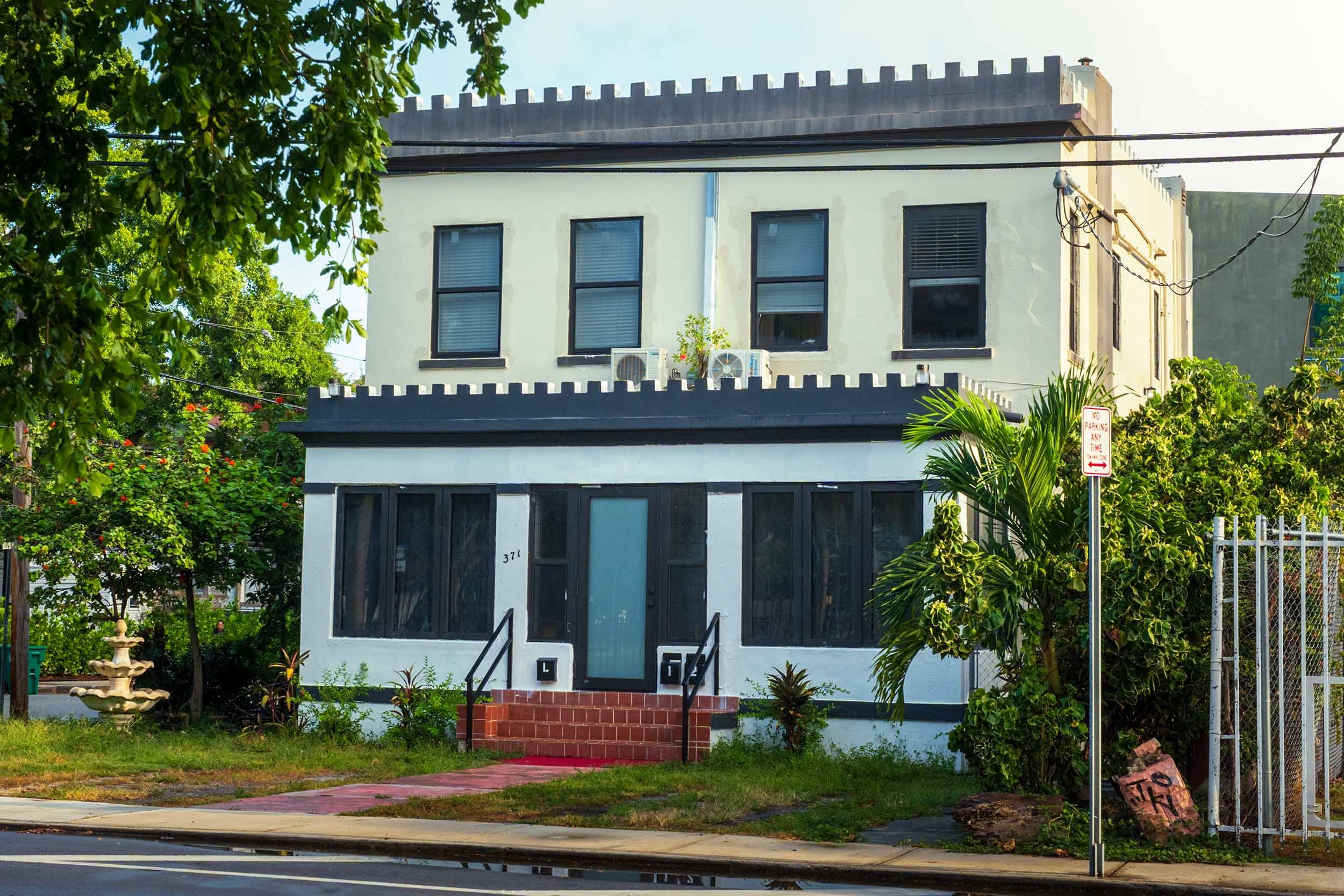
A few building types make up most of the district:
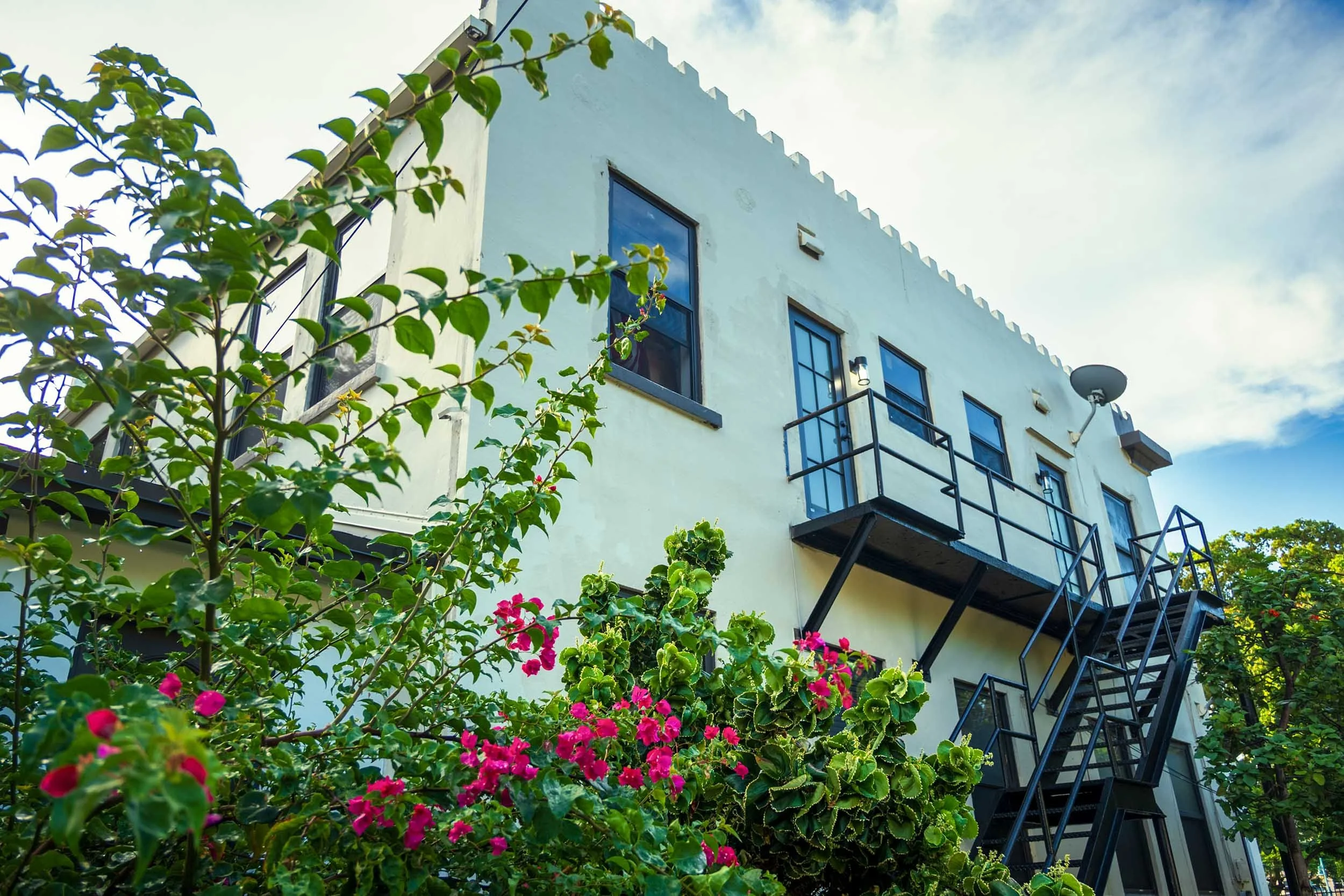
Mediterranean Revival homes and apartment buildings, in the Spanish and Italian influenced style that swept South Florida during the 1920s land boom
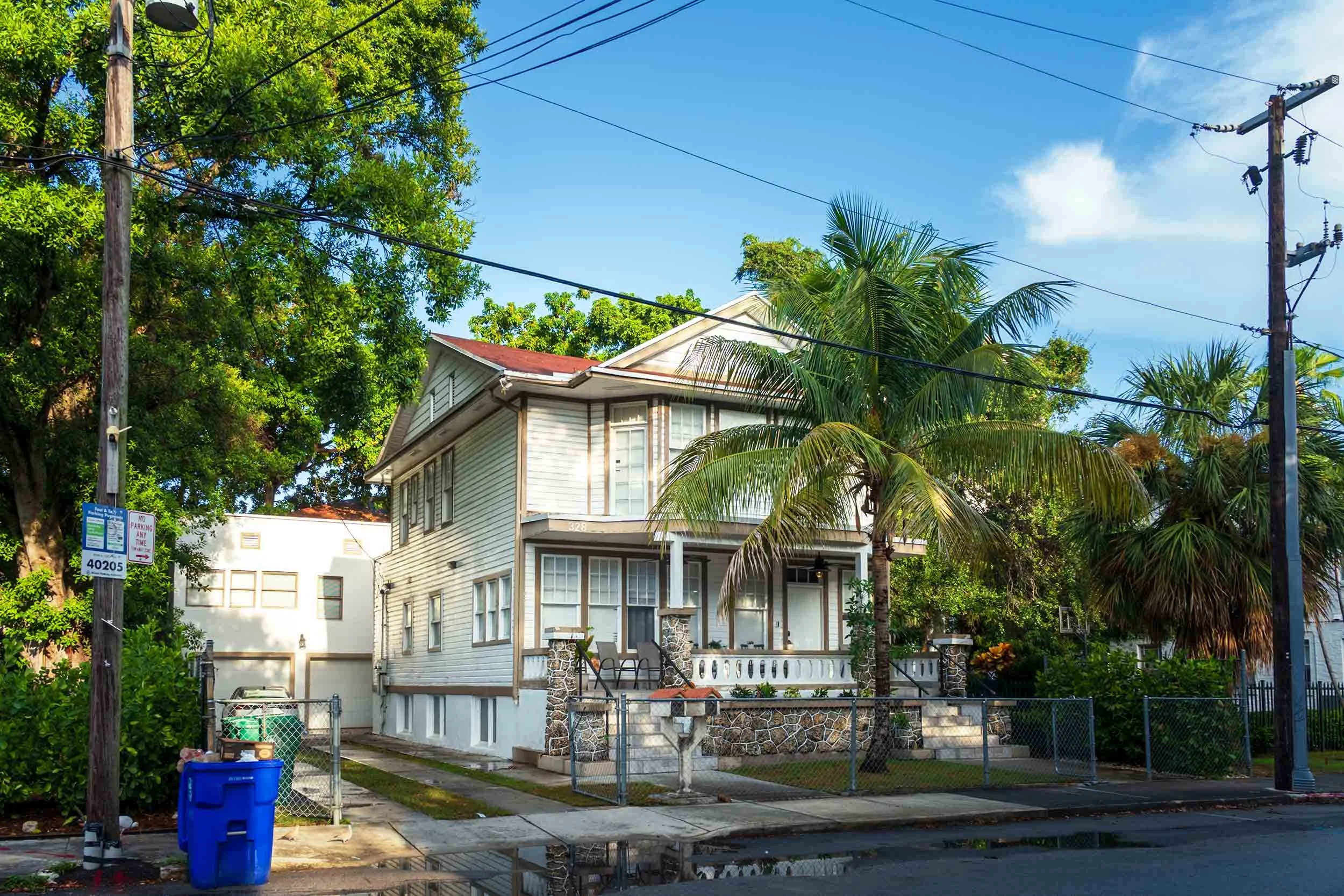
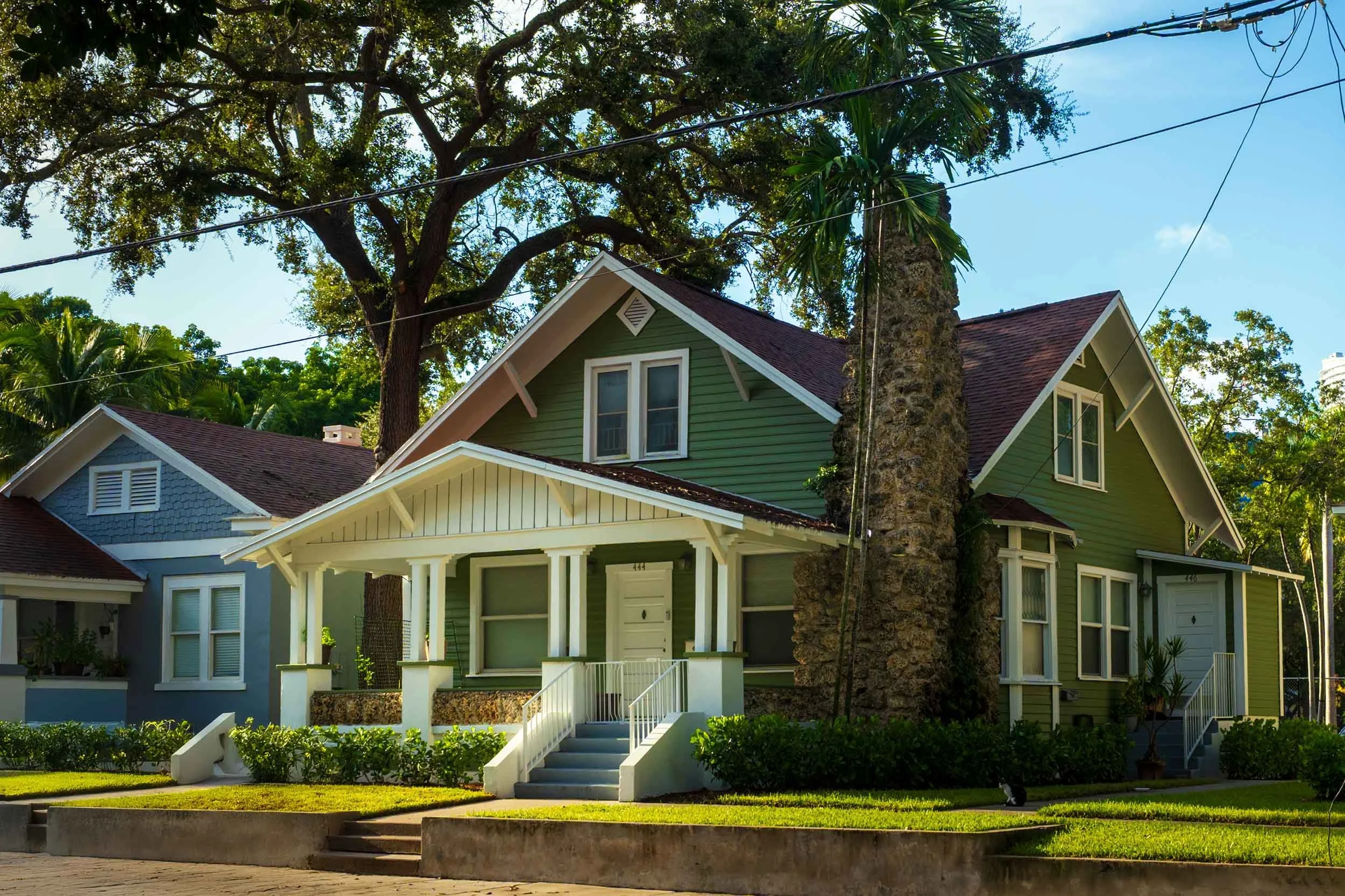
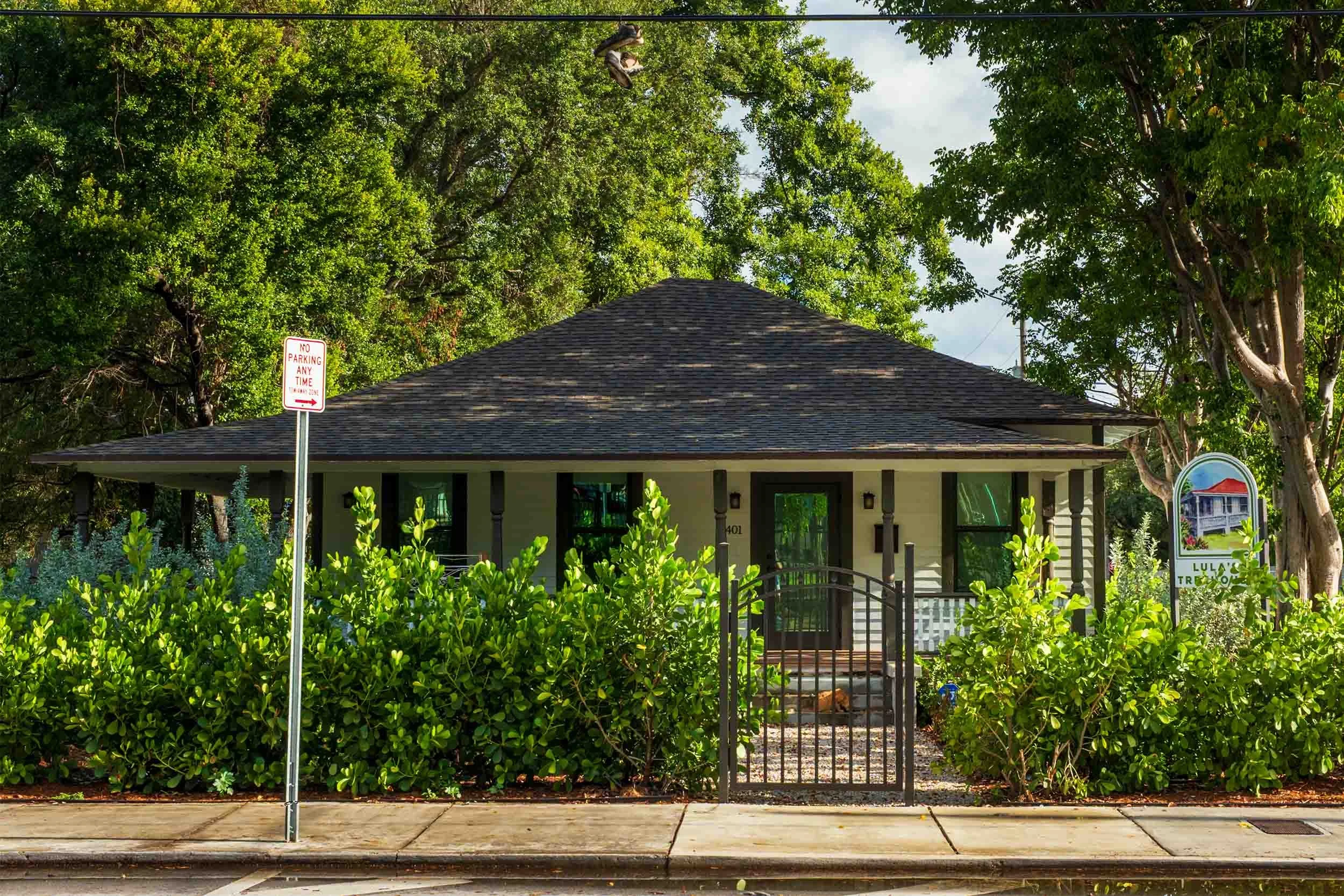
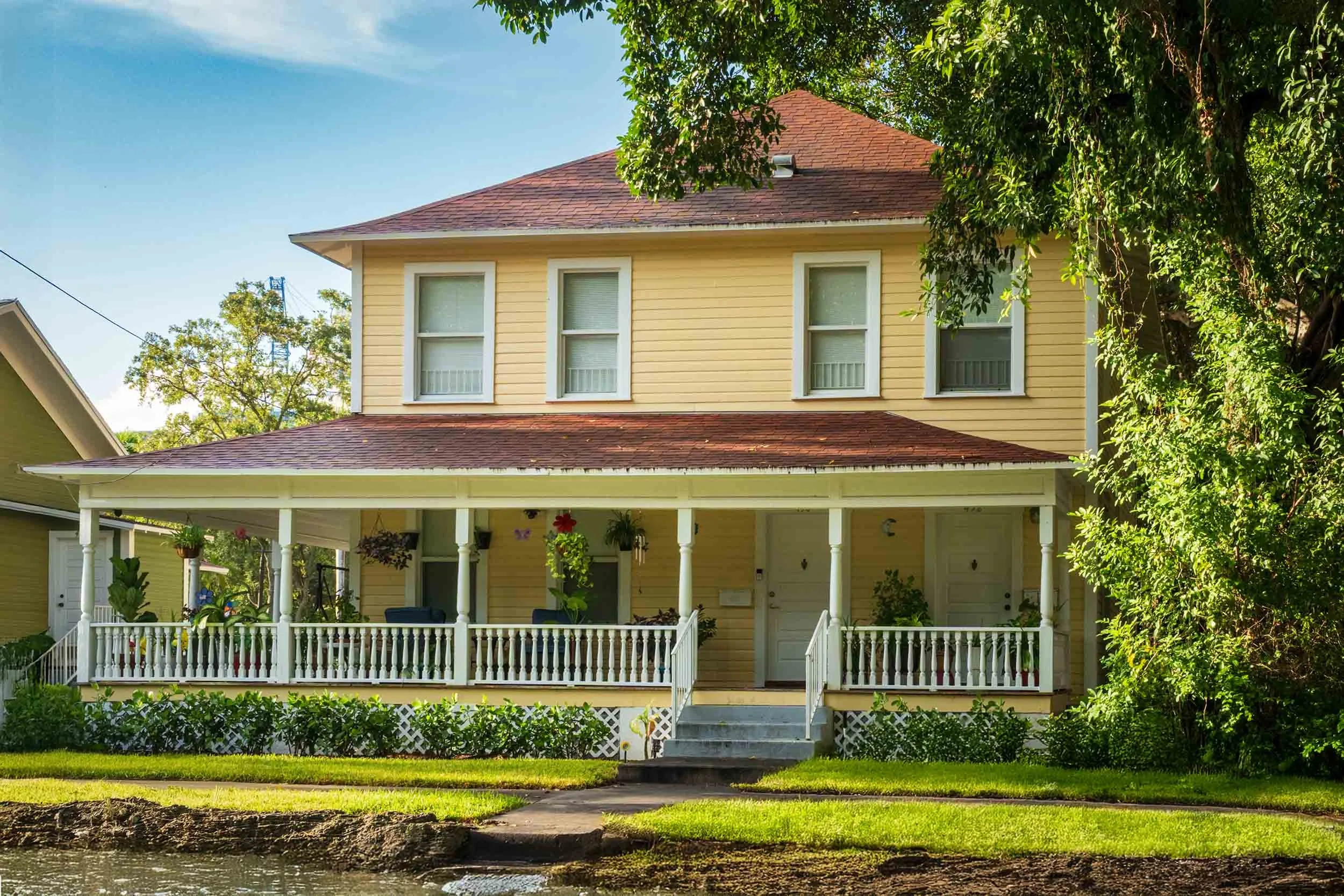
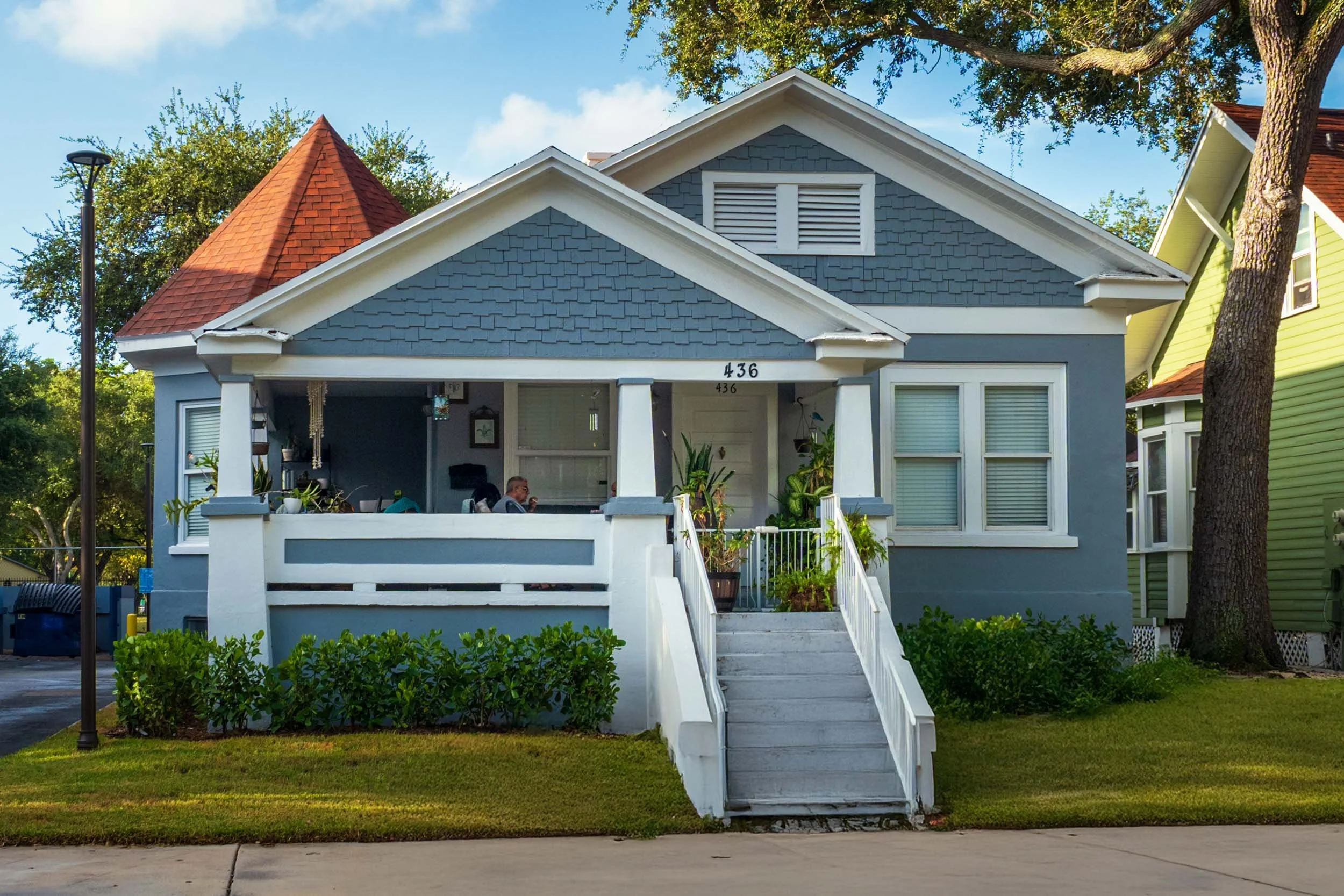
Frame Vernacular houses, plain wood-frame homes typical of Miami's earlier residential construction
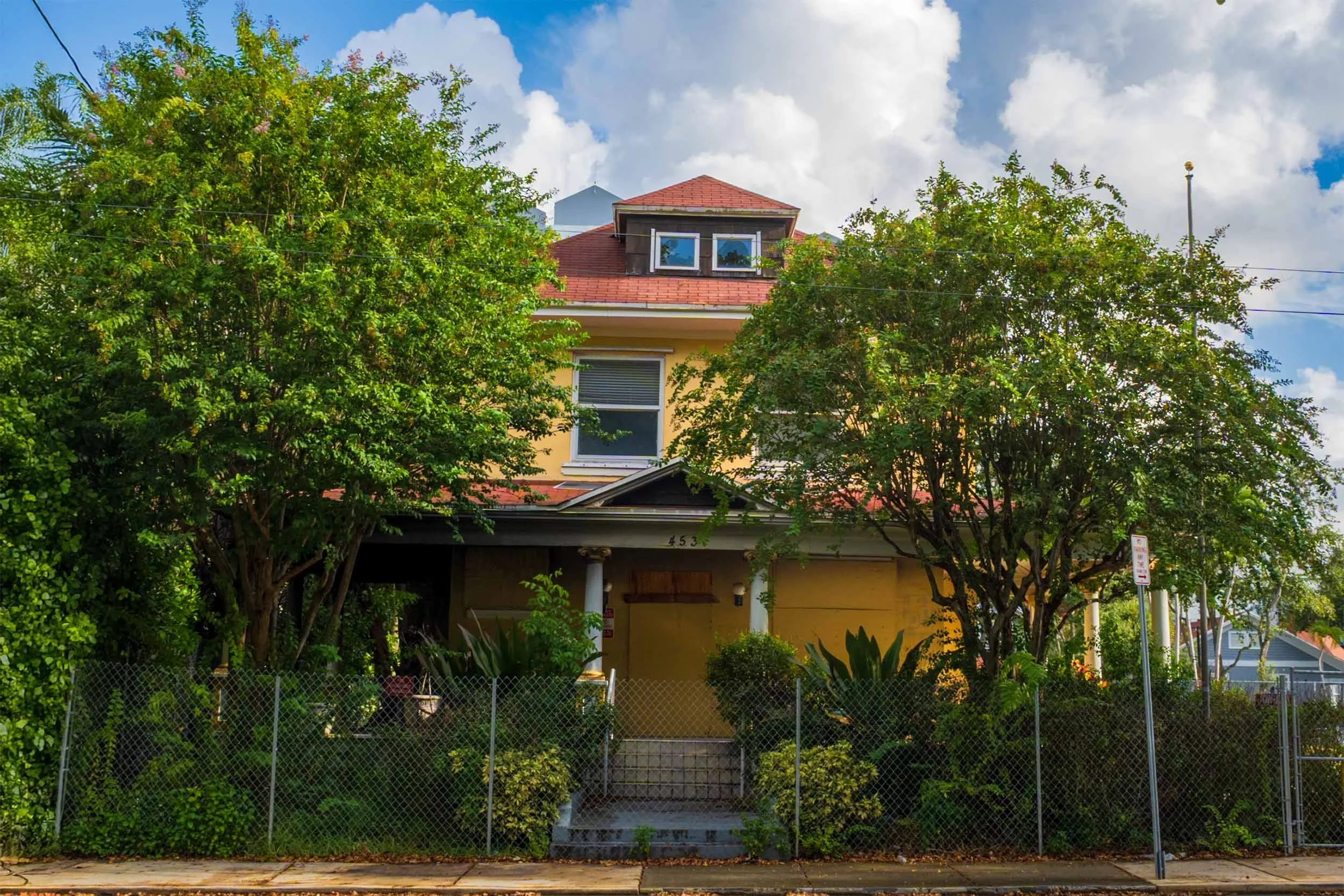
Masonry Vernacular apartment buildings, reflecting the shift toward sturdier, more permanent construction as the city matured
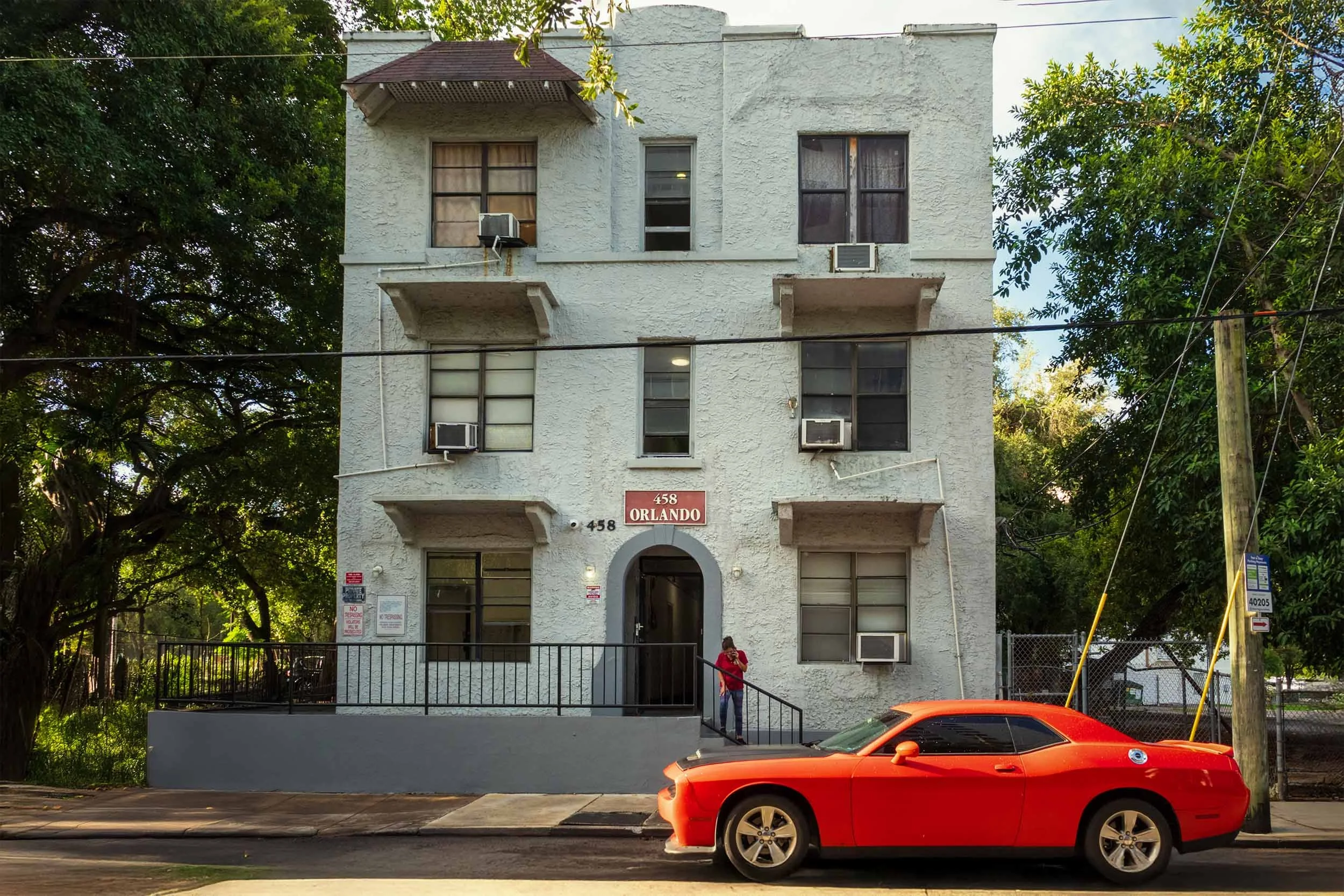
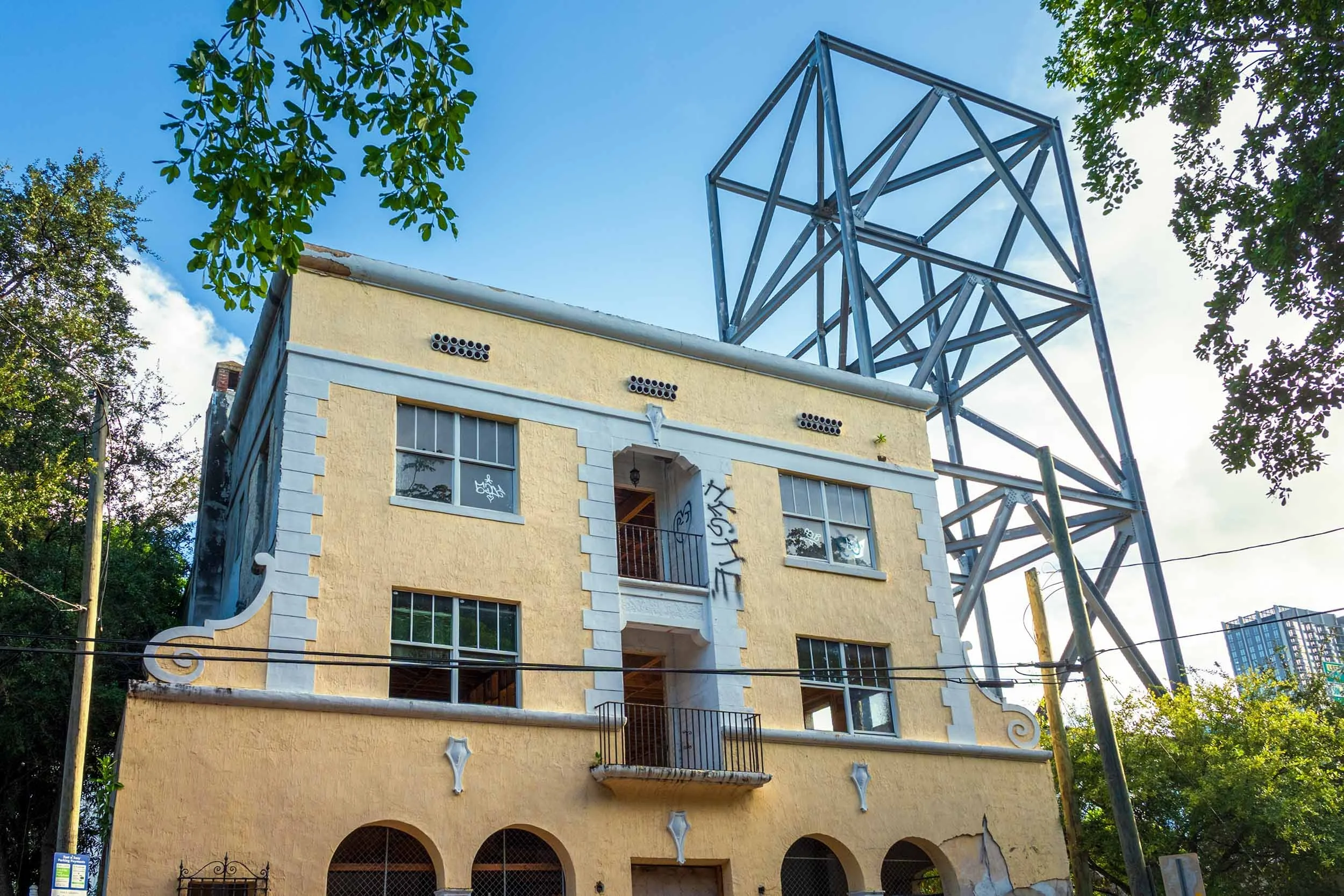
About 27 buildings count as historically contributing, most built between 1914 and 1925. A handful of newer buildings, added between the 1970s and early 2000s, also sit within the district but don't count toward its historic character.
Key Landmarks
Lummus Park itself sits at the district's southern edge. It's the reason the neighborhood exists in the first place; everything grew up around it.
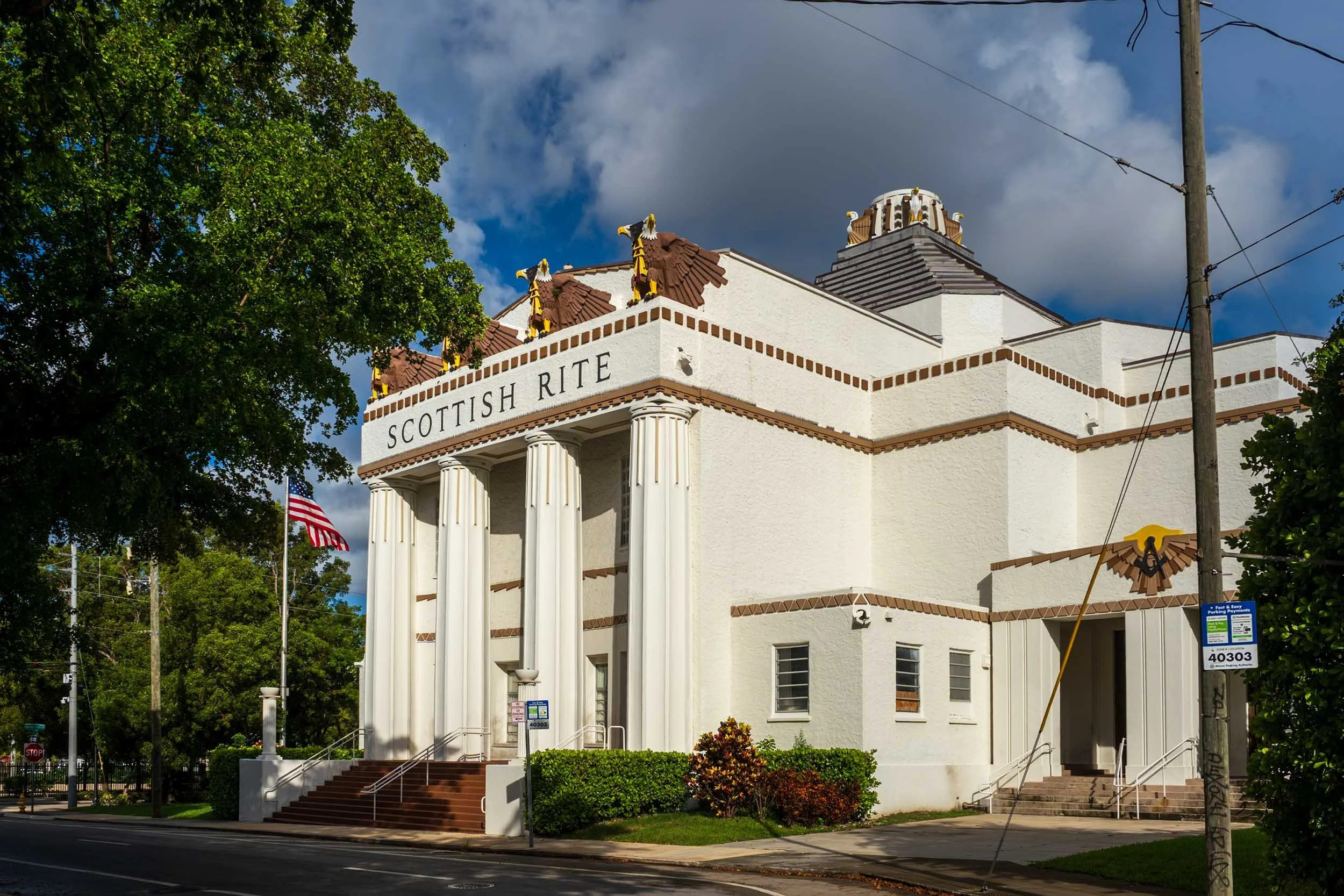
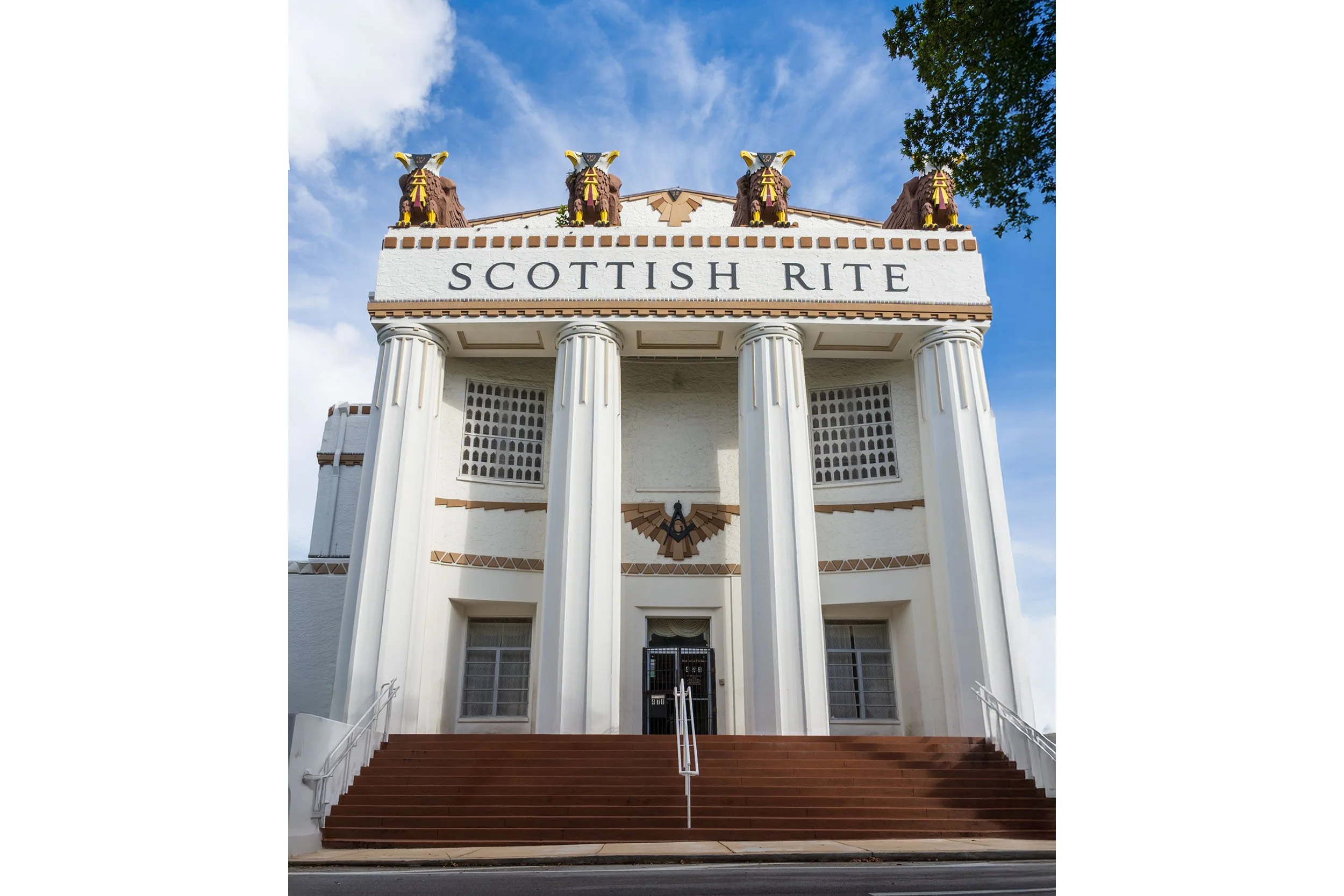
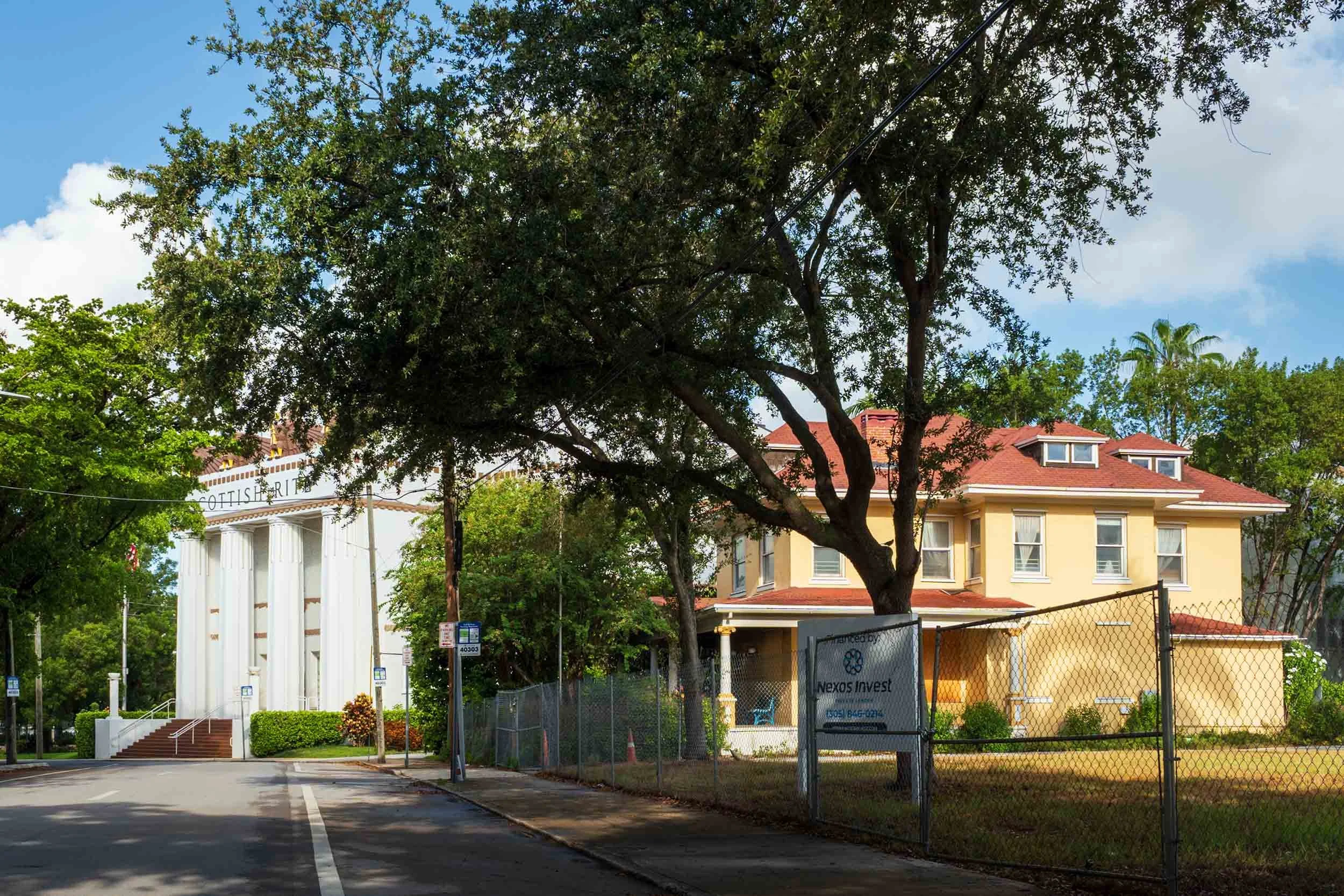
The Scottish Rite Temple, finished in 1924 by architects Kiehnel and Elliott, anchors the district's southwest corner. It's a large, imposing Masonic temple and probably the most architecturally striking building in the neighborhood. Over the years it has also served as a movie theater and, briefly, a synagogue.
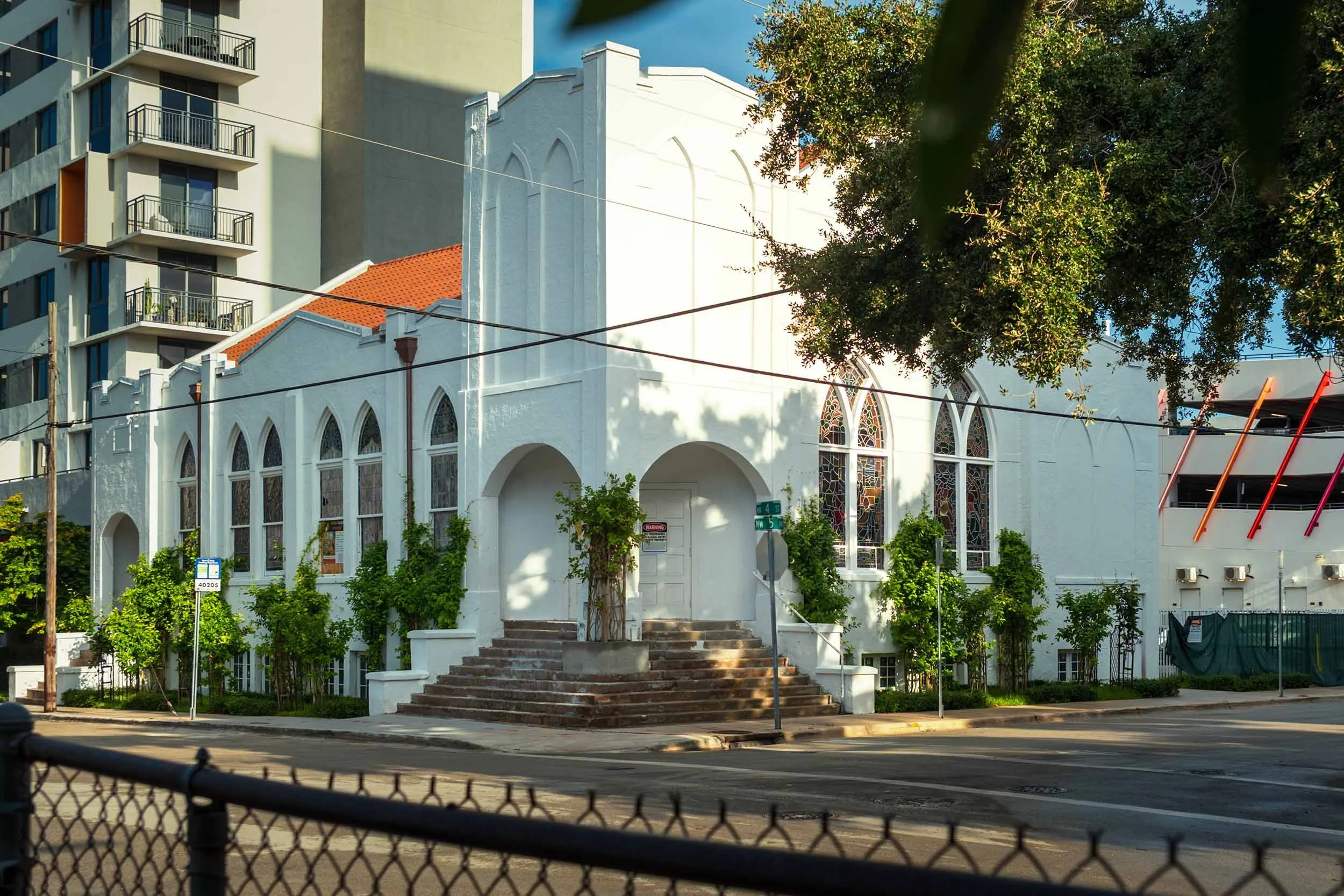
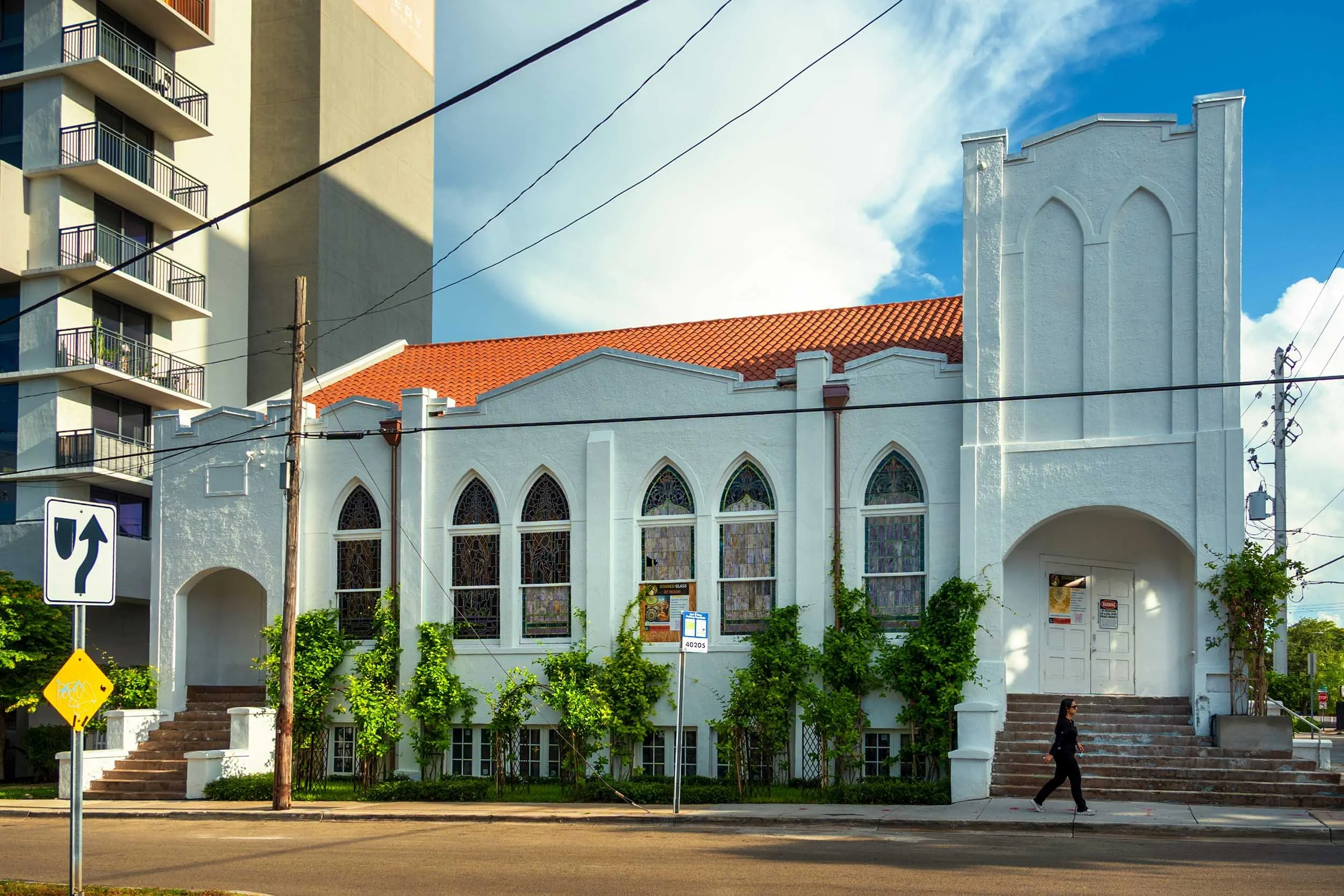
Trinity C.M.E. Church, built in 1922, anchors the northwest corner and reflects the neighborhood's early community and religious life.
Historic Designation
The district's path to National Register listing actually started with a dispute over new construction. In the 1980s, the Miami River Park Apartments, an affordable housing project along NW 4th Street, triggered a review under Section 106 of the National Historic Preservation Act, since the surrounding area had already been flagged as eligible for the Register. To resolve it, the city, the developers, and the state signed an agreement that committed Miami to pursuing local historic designation and to formally nominating the district to the National Register. That process wrapped up in 2006, with the district listed under Criteria A and C, recognized both for its historical associations and its architecture.
Significance and Present Day
Today the district is one of the last real residential neighborhoods left in Miami's urban core, holding its ground against the highways and towers around it. The park is still a gathering spot, and every April it hosts the Miami River Day Festival, when Fort Dallas and the Wagner House open their doors to visitors and reenactors bring the pioneer era back to life for the day.
See Miami’s Wood Frame Houses on the other side of the river.